
How to Choose RC Car Tires for Different Surfaces
Learn how to choose RC car tires by surface, tread, compound, and size for optimal grip and performance on asphalt, dirt, gravel, and grass.
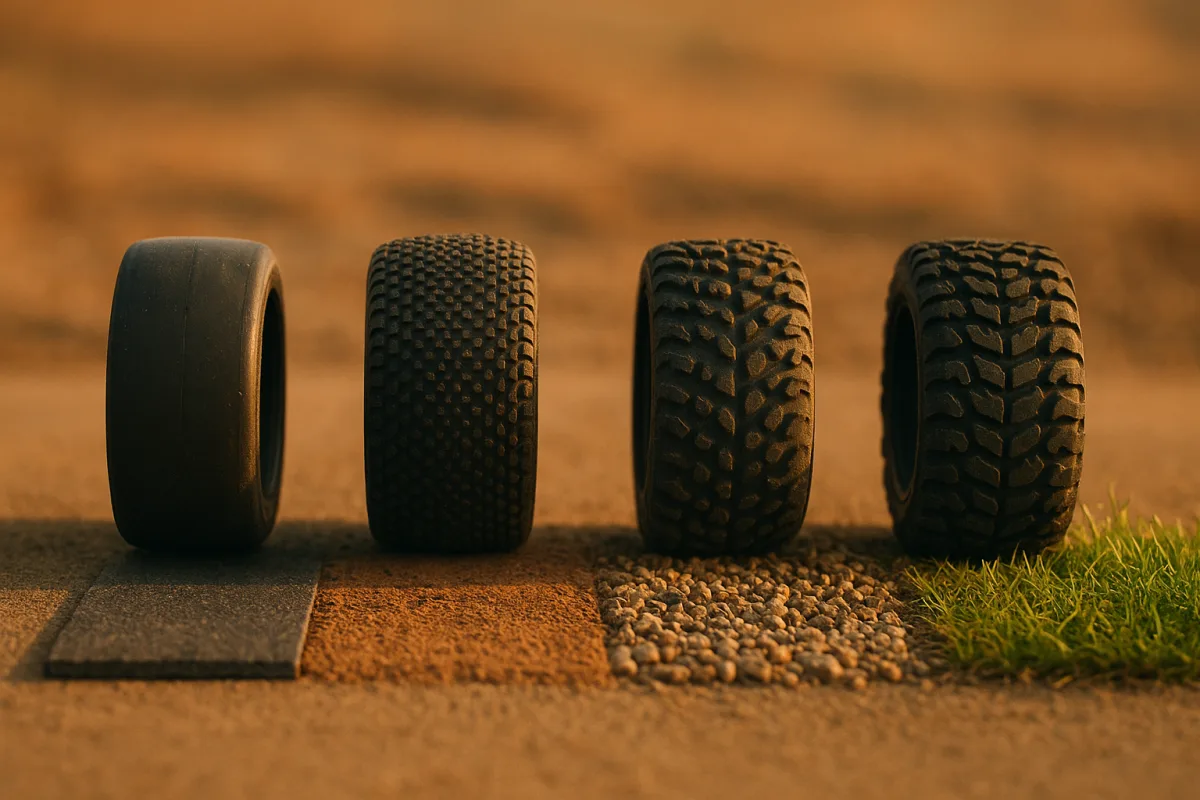
The important idea: tread needs somewhere to put the surface
The useful way to choose an RC tire is not to start with a brand, a color-coded compound, or the biggest lug in the shop. Start with one question: what does the tire need to do with the material under it?
A tire creates grip by conforming to the surface and resisting movement across it. On a smooth surface, you want rubber touching as much of that surface as possible. On loose ground, you need tread blocks that can press into, move through, and clear loose material.
That is why the same aggressive tire that looks convincing on a gravel driveway can be a mess on asphalt. Its tall, separated lugs reduce the rubber contact patch on a smooth surface. The carcass can squirm under load, too, which makes precise steering harder.
Conversely, a low-tread on-road tire has no useful way to bite into loose dirt. It may spin, skate over the top layer, and collect debris in the little tread it has. More motor power will not cure that problem.
Most racers have made the mistake of trying to tune around the wrong tread. We add steering dual rate, change diff fluid, fit a stiffer rear spring, or blame the servo. Then we install a tire intended for the surface and find the car was asking for a basic mechanical fix.
Smooth asphalt needs rubber contact, not digging
On asphalt, a slick or semi-slick tire is the sensible starting point because minimal tread maximizes the contact patch. [1] The surface is hard and comparatively smooth, so there is nothing substantial for tall lugs to dig into.
For a 1/10 on-road car, typical tires are about 60 to 68 mm in diameter and roughly 26 mm wide. That is a very different tire job from a 1/10 stadium truck, even if both vehicles happen to run in the same parking lot.
The handling goal on asphalt is consistency. A slick places more rubber down and avoids the vague feeling caused by tread blocks flexing independently. A semi-slick can make sense where the pavement is dusty or imperfect, but it is still working from the same principle.
Compound matters once the tread is right. R/C Tech forum guidance places soft compounds on low- to medium-grip surfaces and in cooler weather below 75°F, or 24°C, while hard compounds are better suited to high-grip surfaces and temperatures above 85°F, or 29°C. [4]
The reason is not that hard rubber magically produces more grip in heat. A soft tire can overwork on hot, high-grip pavement, feel greasy, and wear rapidly. A harder compound trades some initial bite for a tire that stays more stable through a run. [4]
If the asphalt is abrasive, the R/C Tech advice is to consider going one compound grade harder than usual. [4] That is cheaper than burning through a soft set, and it is usually more predictable than trying to rescue overheating rubber with electronic punch settings.
Hardpack wants controlled bite, not a paddle wheel
Hard-packed dirt is where tire choice gets more interesting. It is neither smooth enough for a true slick nor loose enough to reward the tallest, widest-spaced pins. Next Model RC recommends medium tread with controlled inserts to balance forward bite and steering. [2]
That phrase, controlled tread, is worth unpacking. The tire needs enough individual edges to generate traction on dusty or polished dirt, but it cannot have so much tall, flexible tread that the car rolls over onto the sidewalls and wanders on turn-in.
A 1/10 off-road tire can range from around 70 to 125 mm in diameter, depending on whether it belongs to a buggy, truck, crawler, or another class. Do not buy by the label “1/10” alone. The dimensions and wheel fitment still need to match the manual.
Hardpack is also a surface that changes through the day. As the top layer dries, gets swept clean, or develops loose dust, the tire that felt hooked up in the morning may become too aggressive or too soft later. [2]
That is why a medium compound is often the sensible baseline in uncertain conditions. R/C Tech setup guidance describes medium compounds as a balance of grip and durability, including damp conditions. [4] It is not glamorous advice, but a balanced tire gives you a readable car.
Gravel needs open blocks that can clear material
Gravel is loose enough that a tire must work into the surface rather than merely rest on it. TRVBABY recommends knobby or block-pattern tires with large, widely spaced lugs because they improve traction on gravel. [3]
The spacing is as important as the lug size. A packed-up tire becomes closer to a slick, except it is now a slick with trapped stones and an uneven contact patch. Open voids give loose material somewhere to go as the tire rotates.
This is where drivers often overcorrect. They see wheelspin and install the tallest possible paddle-like tire, even though the vehicle mostly runs on mixed gravel and firmer dirt. That can add forward drive but cost steering precision and make the car feel slow to change direction.
For a 1/8 buggy, the common tire envelope is about 100 to 115 mm in diameter and around 84 mm wide, or 3.3 inches. A 1/8 truggy or monster truck may use tires from roughly 100 to 170 mm in diameter, depending on the model.
Those dimensions are not trivia. Larger tires alter clearance and load the drivetrain differently, but the research brief does not provide direct data linking tire selection to motor, battery, or gearing changes. Stay with the approved size range before treating tire diameter as a performance modification.
Grass is a compromise surface
Grass asks for a tire that can find traction around blades and uneven soil without becoming a heavy, slow-rolling shovel. TOPRC recommends medium-deep studded or all-terrain tires as the balance between grip and rolling resistance. [1]
That is a useful category for a backyard basher or an area where pavement, dirt, and grass appear in one run. It is not a claim that one all-terrain tread will equal a dedicated tire on every surface. It will not.
For mixed ground, choose based on the surface where the car must accelerate, brake, and turn hardest. If the main area is grass with a short paved approach, use the grass tire. If it is mostly asphalt with one dusty patch, use the on-road tire.
RaceNRCs specifically cautions against using tires that are not designed for the primary surface, including pavement tires on dirt. [9] That basic rule prevents a lot of setup chasing, stripped-looking tread, and disappointing runs.
Moisture changes the job the tread must do
Dry conditions generally favor smaller pins or lower-profile tread, with harder compounds often preferred. [8] The tire does not need to excavate wet material, and a lower, more stable tread can keep the car precise.
Damp dirt shifts the requirement. A more aggressive tread and a medium compound provide a useful grip-and-durability balance, according to R/C Tech off-road setup guidance. [4] The surface has more available traction, but it can also cling to the tire.
When conditions become wet or muddy, the recommendation moves clearly toward large, widely spaced pins or paddle-type tires in soft compound. [4][8] The open layout matters because mud must be shed rather than carried around inside the tread.
Rough, rutted terrain adds another variable: profile. R/C Tech rookie guidance notes that rounded tire profiles help on rough or rutted surfaces. [8] A rounded profile can make transitions across uneven ground less abrupt than a sharply squared tire.
Do not assume ultra-soft always means better in cold weather. Next Model RC specifically lists ultra-soft tires in cold conditions as a common mistake because they can become less effective. [2] Choose the compound for the actual surface and temperature, not the softest wording on the package.
Inserts are part of the tire, not packing material
A tire is a system made of tread, carcass, wheel, glue, and foam insert. The insert supports the tire under cornering and acceleration. If it is damaged, waterlogged, collapsed, or mismatched, the tread cannot work consistently.
Next Model RC identifies neglected foam-insert condition as a source of inconsistent handling. [2] That is a point worth taking seriously before blaming a tread pattern. A fresh tire with a poor insert can still roll, fold, or feel unpredictable.
This is especially relevant when comparing pre-glued ready-to-run tire-and-wheel pairs with race-style unmounted tires. RC Visions lists pre-glued ready-to-run tires at around $30 per pair. [7] They offer convenience, but inspect them for correct fitment and insert support.
After wet running, clean and dry the vehicle and tires thoroughly. Horizon Hobby’s maintenance material emphasizes post-run care after wet conditions. [2] Water and dirt left around the wheels and drivetrain are not a tire-selection issue, but they can turn one into a maintenance problem.
Price the correct scale before buying spares
For micro and mini models, the Injora Cling On 70x26 mm 1.3-inch tire set listed by Mofo RC is about $13.59 and suits 1/18 or 1/24-scale applications that accept that size. [5] Verify wheel compatibility rather than assuming the scale label is enough.
For 1/10 trucks and crawlers, RC4WD lists BFGoodrich and Mickey Thompson tire options around $25.99 to $31.99 per set. [10] These suit 1/10-scale applications in the manufacturer’s specified fitments, not automatically a 1/10 buggy or touring car.
For larger 1/8-scale applications, RC4WD’s Mickey Thompson Baja Pro X tire set is listed around $47.99. [10] It suits 1/8-scale vehicles where its dimensions and wheel specification fit, but its aggressive pattern should still match the terrain rather than the truck’s scale.
At the large end, IMEX lists Clod Buster and Jumbo Kong monster-truck tires at roughly $59.99 to $79.99 per pair. [6] They suit monster-truck applications, where their size is appropriate, not smaller vehicles that would be overloaded or lack clearance.
I have not run every tire named here, and these prices are listings rather than a universal market survey. They cover the tire or tire-and-wheel item stated, not the RC car, spare wheels where unmounted tires are sold, glue, inserts, shipping, or replacement wear parts.
The cost-sensitive move is usually buying the tread that matches your main terrain, then maintaining it properly. The expensive “upgrade” is not the answer if the car is on the wrong pattern, the insert is tired, or the setup was never rechecked after the swap.
Frequently Asked Questions
How do I choose the right RC car tires for different surfaces?
Start by considering what the tire needs to do with the surface material. Slick or semi-slick tires work best on smooth asphalt to maximize rubber contact. For hard-packed dirt, choose tires with medium tread and controlled inserts to balance forward bite and steering. Gravel requires tires with large, widely spaced lugs to dig into loose material, while grass calls for medium-deep studded tires to maintain grip and rolling efficiency.
What tire tread is best for asphalt vs gravel in RC cars?
On asphalt, slick or semi-slick tires with minimal tread are ideal because they maximize the contact patch and provide consistent handling. For gravel, tires with knobby or block tread patterns featuring large, widely spaced lugs are best, as they can press into and clear loose material for improved traction.
How does tire compound affect RC car performance?
Tire compound should be matched to surface grip and temperature. Soft compounds offer better grip on low- to medium-grip surfaces and in cooler conditions below about 75°F (24°C), but they wear faster. Hard compounds are more durable on high-grip, hot surfaces above 85°F (29°C) and help prevent tires from becoming greasy and losing stability during a run.
Can I use 1/10 buggy tires on a 1/8 truggy?
No, 1/10 buggy tires and 1/8 truggy tires are not interchangeable. Even if both run on dirt, their wheel diameter, tire diameter, width, and clearance differ. Always confirm your vehicle’s specific tire and wheel dimensions before ordering to ensure proper fit and performance.
What factors should I consider when buying RC car tires?
Consider the surface type and choose tread accordingly to ensure the tire can effectively grip or clear the terrain. Match the tire compound to the expected temperature and surface grip level to balance traction and durability. Also, verify tire size and fitment for your specific vehicle model, and avoid changing tires solely to fix handling issues without checking other setup factors like inserts and ride height.
How we researched this
This article was assembled from 10 cited references.
Nothing here is based on hands-on testing. Where a figure or finding appears, it belongs to the source cited beside it, and the writing says so rather than implying otherwise. Every source is listed below so you can check it.
Sources
- Which tires are best for asphalt / off-road / grass?
- RC tires: which setup for asphalt, dirt, track, and bashing? - Next Model RC
- RC Car Tire Types Explained - Asphalt vs Dirt (What Actually Works) - TRVBABY
- When do you run tires in hard compound? - R/C Tech Forums
- INJORA Cling On 70x26mm 1.3" tires – Mofo Rc
- RC Tires – IMEX Model Company
- RC Car Tires & Wheels | RC Visions
- Just about everything you need to know about setups! - RCU Forums
- Why and How to Change RC Car Tires | RaceNRCs – RaceNRCs
- Tires, Page 2
Related Articles
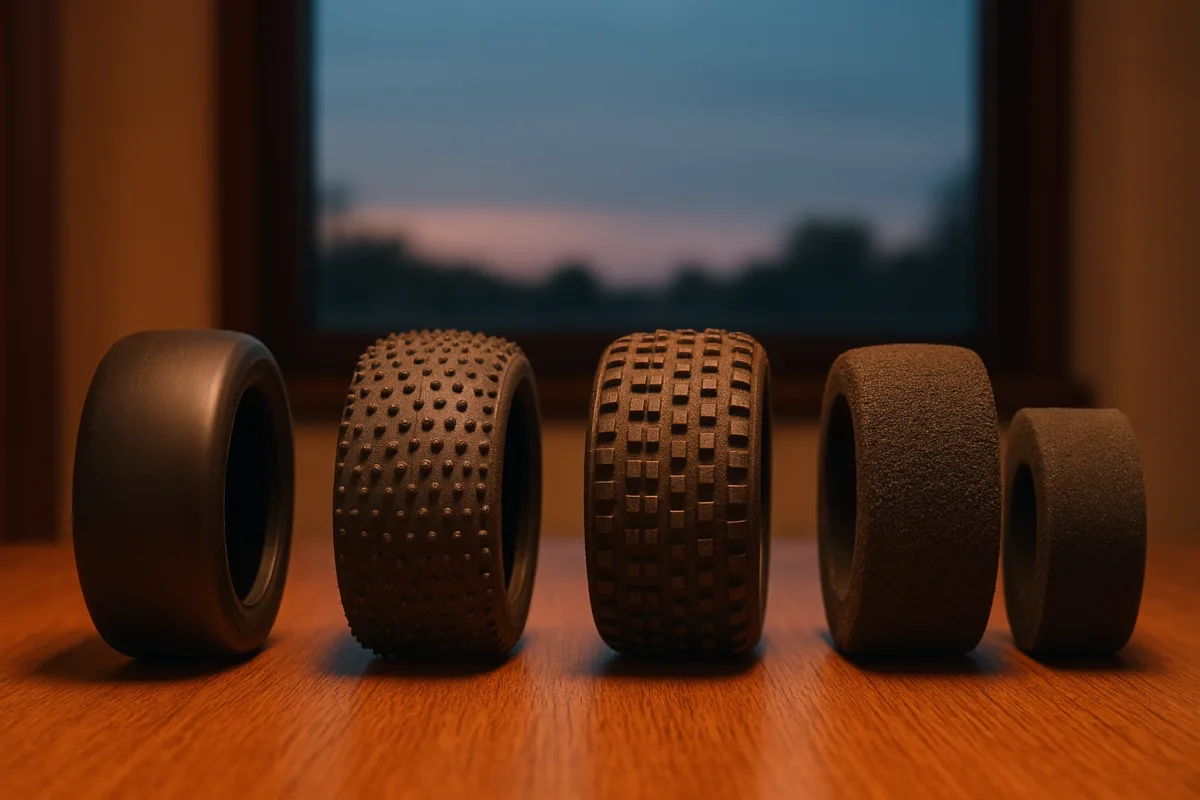
How to Choose RC Car Tires for Different Surfaces
Learn how to choose RC car tires for asphalt, dirt, grass, and more to maximize traction and handling on every surface.

How to Choose RC Car Tires for Racing
Learn how to choose RC car tires for racing by matching compound, tread, and size to your track surface and conditions for optimal grip and performance.
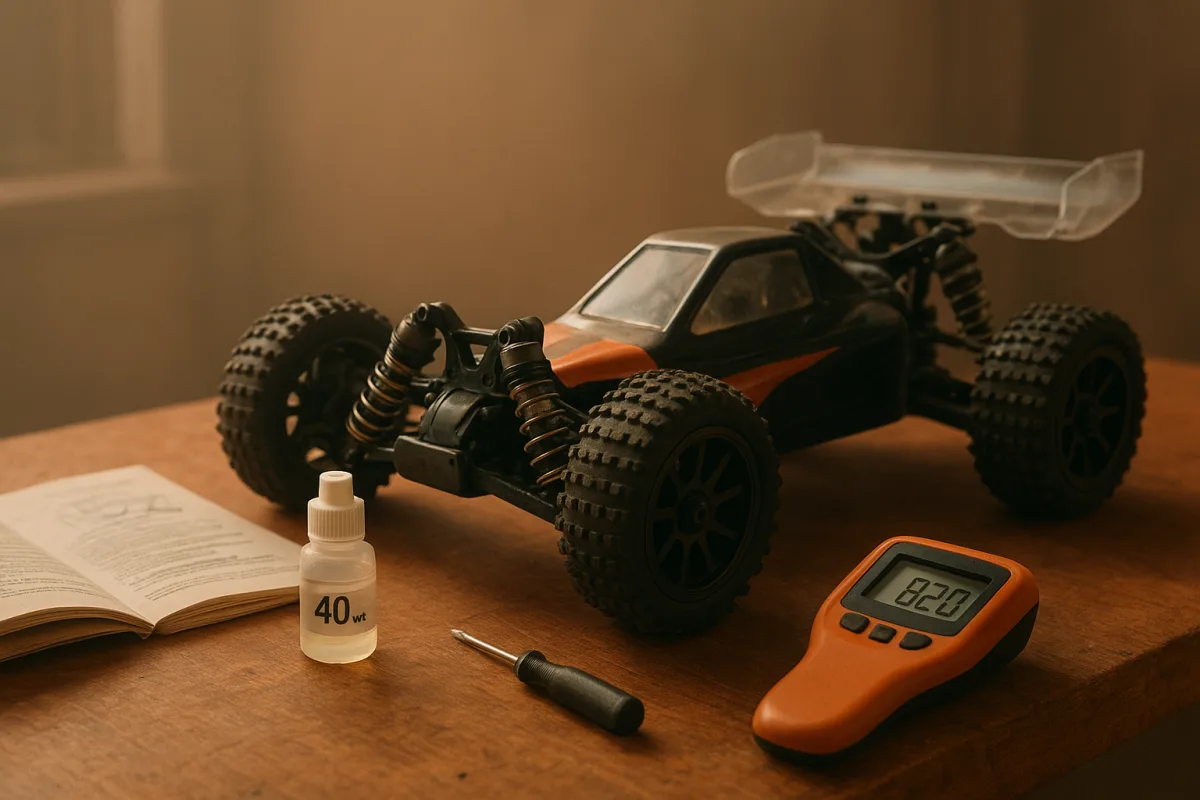
How to Set Up RC Car for Beginners: Complete Starter Guide
Learn how to set up your RC car for beginners with tips on battery, tires, suspension, and motor for a smooth first drive.
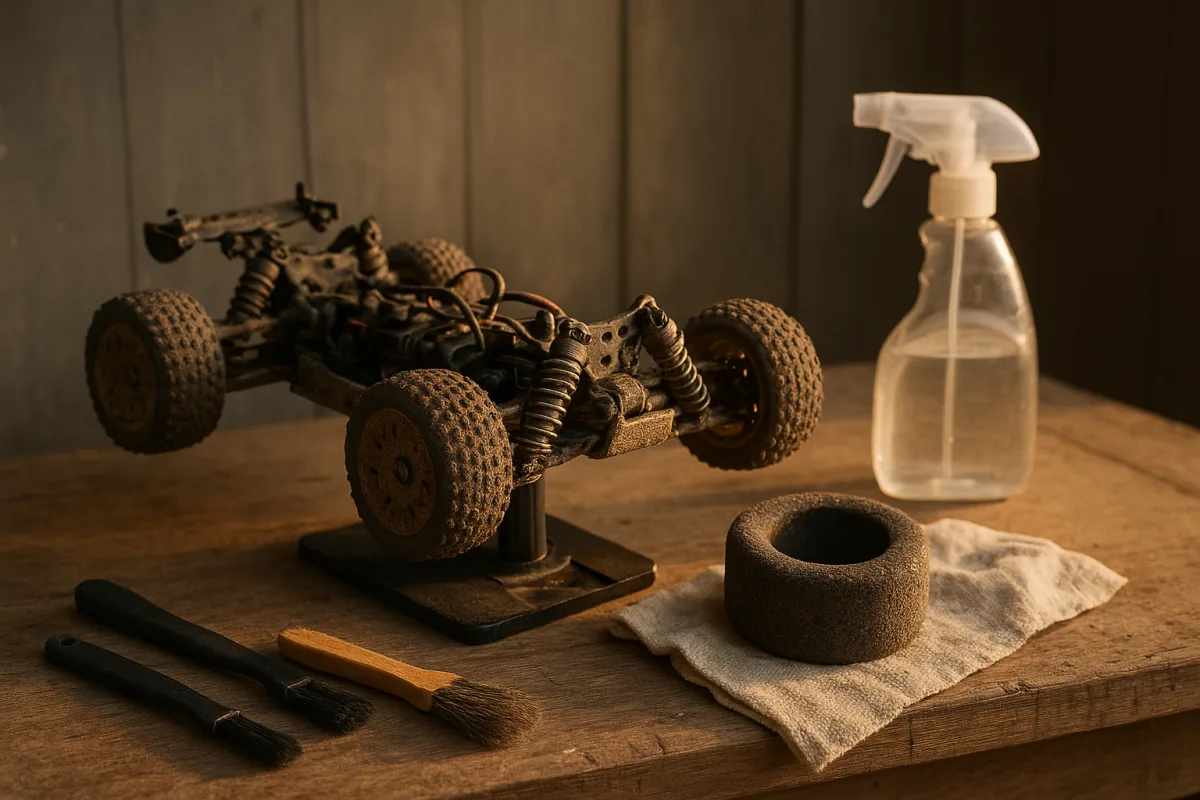
RC Car Tire Maintenance: How to Clean and Extend Tire Life
Learn effective RC car tire maintenance tips to clean, dry, and care for your tires to extend their lifespan and improve performance.