
How to Charge RC Car Batteries Safely and Effectively
Learn how to charge RC car batteries safely with correct settings, balance charging, and tips for NiMH and LiPo packs.
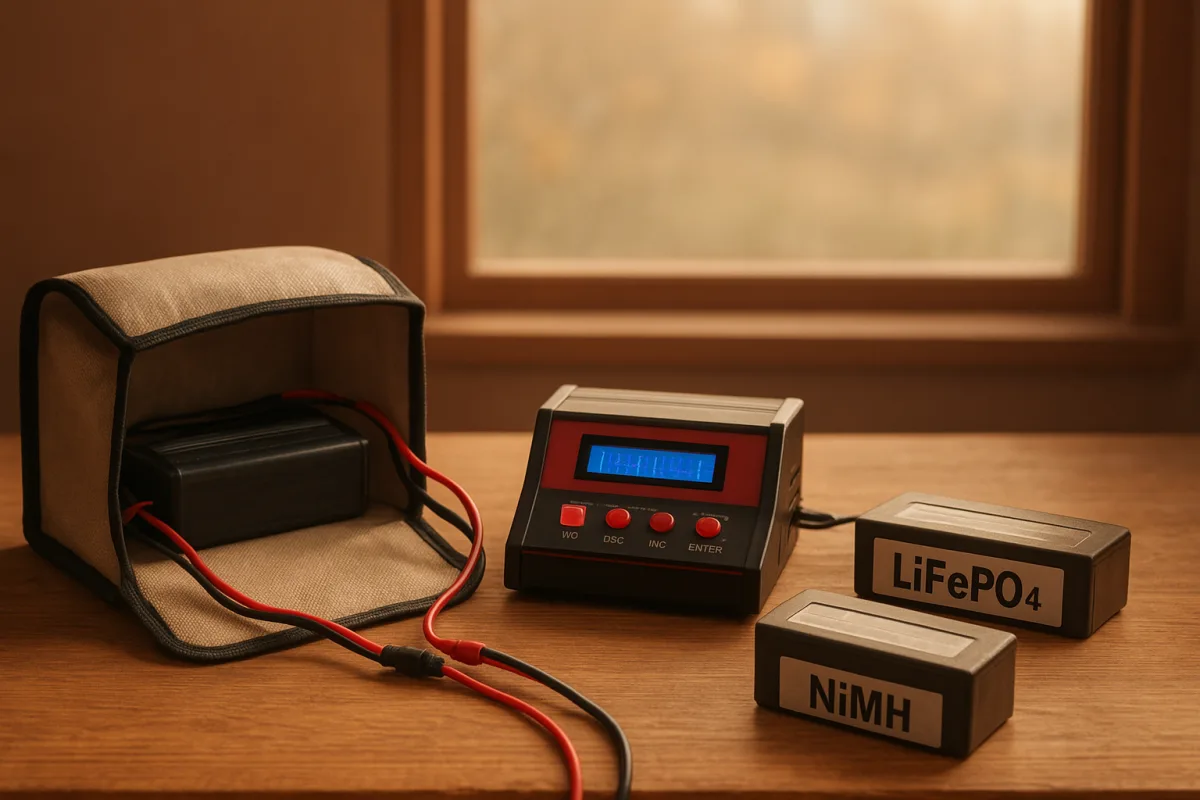
Problem one: you have a battery, but not a charge setting
The first mistake happens before the charger powers up. Read the label on the pack, not the listing for the car. A 1/10 brushed RTR might use a 6-cell NiMH, while a 1/8 electric buggy could be on 4S LiPo.
NiMH cells are nominally 1.2V each, so the common six-cell stick pack is 7.2V and a seven-cell pack is 8.4V. LiPos are nominally 3.7V per cell: 2S is 7.4V, 3S is 11.1V and 4S is 14.8V. [1]
LiFePO4, often shortened to LiFe, is different again. Its cells are 3.2V nominal and 3.65V fully charged, with common pack voltages including 3.2V, 6.4V and 9.6V. Use a charger programme specifically intended for LiFePO4. [1]
Do not select LiPo simply because the connector fits, and do not count nominal pack voltage as the full-charge voltage. A LiPo charger targets 4.2V per cell, while LiFe targets 3.65V per cell. That difference is not a tuning detail. [1]
For racers, this matters when packs accumulate in the pit bag. A 2S shorty for a 1/10 2WD buggy, a 2S saddle-pack set for a 1/10 touring car, and a 4S hardcase for a 1/8 truggy may all use familiar connectors, but they are not interchangeable charging jobs.
Li-ion packs get mentioned in general charging-time guidance, typically taking one to three hours, but the research brief does not provide RC-specific charging specifications or safety guidance for them. Treat the manufacturer’s instructions as controlling rather than borrowing LiPo settings. [1]
Problem two: choosing charge current from the wrong number
C-rate is the useful number here. One C means charging at a current equal to the capacity expressed in amp-hours. A 5000mAh pack is 5.0Ah, so 1C is 5A. A 2000mAh pack at 1C charges at 2A. [1]
For NiMH, around 1C is the standard starting point. A 2000mAh NiMH pack therefore gets a 2A setting, and a delta-peak charger is important because it detects the charging peak and helps prevent overcharge. [1]
A standard NiMH charge may take four to six hours, while fast charging can bring that down to roughly one to two hours. Trickle charging is much slower, around 14 to 16 hours, so it is not the answer when race day is tomorrow. [1]
For LiPo, 1C is also the sensible default unless the pack label explicitly permits more. A 1C charge normally takes about 45 to 60 minutes. That is the dependable setting, not a sign you bought the wrong charger. [1]
Some LiPos are rated for 2C or 3C charging, which can cut the time to roughly 20 to 40 minutes. The important qualification is the rating printed by that specific battery manufacturer. A 100C discharge claim does not automatically prove 3C charging approval. [1]
Do not confuse a pack’s discharge C-rating with its charging C-rating. The high number on a 1/8 racing pack may describe how it supplies current to an ESC and motor, not how quickly it should accept charge. When the label is unclear, use 1C.
Fast charging also does not fix a car that fades after three minutes. Reduced runtime, heating, erratic readings and failure to hold charge are pack-condition problems to diagnose, not reasons to force more current through the battery. [9]
Problem three: plugging in a LiPo and skipping the balance lead
Every multi-cell LiPo should be balance charged. Connect the main charge lead and the balance connector, select the correct cell count, then verify that the charger agrees with the label before starting. Balance charging equalises cell voltage. [2]
That is particularly important with hard-run race packs. A 2S pack may show a believable total voltage while one cell is higher or lower than its mate. Balancing is what lets the charger manage each cell instead of treating the pack as one lump. [2]
Cell equality is a safety issue, not just a way to chase an extra tenth in stock buggy. Uneven cells increase the risk of overcharging an individual cell, which can lead to overheating and thermal runaway. [2]
Before charging, use the charger display to inspect individual LiPo cell voltages if it provides them. Unstable readings, a large imbalance, or a charger that will not recognise the stated cell count means stop and investigate, rather than repeatedly restarting the programme. [4]
After a crash, inspect the hardcase, shrink wrap, wire exits, connector and balance lead. RC Explained’s crash-check guidance flags mechanical and electrical damage as reasons to inspect before reuse, especially when the impact involved the battery side of the chassis. [8]
Problem four: the pack is still warm from the last run
Do not pull a 4S pack from a 1/8 e-buggy, strap it straight onto the charger and hit 3C because the next heat is close. Let it cool first. The same applies after charging, allow the pack to cool before running. [7]
The recommended charging window is 50F to 85F, or 10C to 29C. Charging outside that range is a bad habit, whether the pack came from a cold winter garage or a summer car boot. [3]
Cold conditions are awkward because pack performance and charging behaviour change with temperature. Battery Tender notes temperature-compensated chargers for cold climates, but the research does not establish that these are universally necessary or cost-effective for every RC racer. [3]
The practical answer is simpler than buying another gadget: bring the pack indoors, allow it to reach a sensible temperature naturally, then charge it under supervision. Do not try to warm a battery with a heater, direct sun or an improvised heat source.
Humidity gets plenty of forum speculation, but the supplied research does not establish a quantified effect on RC battery life or charging safety. Keep the charging area dry and use sound connectors, but do not invent rules where the evidence is thin.
Problem five: deciding whether a questionable pack gets “one more charge”
Puffing or swelling is a stop sign. So is physical damage, overheating, a major runtime drop, charging faults, inability to hold charge, or unstable voltage. RaceNRCs identifies these as signs of a battery that should not be charged or used. [4]
A slightly tired pack is not automatically dangerous, but it is not a candidate for aggressive fast charging either. If your 1/10 stadium truck has become lazy off the line, check the pack before blaming the motor, ESC punch setting or gearing.
Likewise, do not try to revive a visibly damaged LiPo by cycling it repeatedly. The research supports inspection and removal from service when failure signs appear, not a home repair programme. [4]
Charge on a non-flammable surface, preferably with the pack in a fireproof bag or container. Remain present for the entire charge cycle. Those two habits are more useful than an expensive aluminium option part on a car with a basic setup problem. [7]
A charger with overcharge protection and temperature monitoring adds another layer of protection, but it does not replace supervision. If a pack becomes unusually hot, swells, smells odd or behaves abnormally, stop the charge rather than trusting automation. [5]
Problem six: picking a charger that matches your actual pit routine
The 2026 charger recommendations from Propel RC cover several price bands. I have not physically used or handled any of these chargers, so this is a category comparison based on the cited recommendations and specifications, not a personal test. [6]
The Venom Pro Quad, listed at $200 to $250, suits the racer who wants a higher-priced multi-chemistry charger with safety features and expects to manage several battery jobs in one pit session. The price is for the charger, not batteries, power supplies or track power. [6]
The Gens Ace IMARS D300, at $150 to $200, suits someone shopping in the middle range for multi-chemistry charging and the cited safety features, including temperature monitoring and overcharge protection. It is a sensible category for mixed NiMH and LiPo ownership. [6]
The HOTA D6 Pro, priced at $100 to $150, suits the budget-conscious racer who still wants a multi-chemistry charger with the safety functions identified by Propel RC. It is not evidence that charging discipline can be relaxed because the charger costs less. [6]
The Tenergy TB6-B, listed at $50 to $70, suits the entry-level buyer who needs multi-chemistry capability without spending race-motor money. At that price, confirm you have the leads and power arrangement required for your packs before assuming the sticker price is complete. [6]
No charger choice removes the need to select chemistry, cell count and charge rate manually and correctly. A quad charger can make pit workflow easier, but it can also let you make four mistakes at once if you connect packs without checking them.
Problem seven: finishing a race day with packs charged full
A LiPo should not sit fully charged for weeks after a club meeting. Set it to storage charge, targeting 3.80 to 3.85V per cell, roughly half charge, then store it in a cool, dry place. [7]
The recommended storage temperature is 65F to 75F, or 18C to 24C. Check long-term stored packs every four to six weeks and bring them back to storage voltage if needed. [7]
This is especially relevant for seasonal classes. If your 1/10 carpet touring car sits through an off-road season, or the 1/8 truggy only comes out for summer events, storage charge is part of maintaining the battery rather than an optional final button press.
NiMH and LiFe packs still need the correct chemistry mode and sensible storage, but the supplied guidance is most specific about LiPo storage voltage. Do not assume LiPo storage settings apply unchanged to every battery type just because the charger menu offers them all.
Frequently Asked Questions
How do I choose the right charge setting for my RC car battery?
First, identify the battery chemistry and cell count by reading the label on the pack, not the car listing. Different chemistries like NiMH, LiPo, and LiFePO4 require specific charge programs and end voltages. Do not assume packs with similar connectors or nominal voltages use the same settings; always match the charger program to the exact battery type and cell count.
What is the correct charge current for NiMH and LiPo RC batteries?
For NiMH batteries, a charge current around 1C (equal to the pack capacity in amp-hours) is standard; for example, a 2000mAh pack charges at about 2A. LiPo batteries also typically charge at 1C unless the manufacturer explicitly rates the pack for faster charging (up to 2C or 3C). Using the manufacturer’s recommended charge current is important to avoid damage.
Why is balance charging important for LiPo RC batteries?
Balance charging ensures that each cell in a multi-cell LiPo pack reaches the correct voltage, preventing one cell from being over- or under-charged. This equalization reduces the risk of damage, improves safety, and extends battery life. Always connect both the main charge lead and the balance lead when charging LiPos.
Can I charge a warm RC car battery immediately after use?
No, it is recommended to allow the battery to cool before charging. Charging a warm battery can be unsafe and may reduce battery life. Always inspect the battery for heat and damage before connecting it to the charger.
How do I identify the battery chemistry before charging?
Check the label on the battery pack itself, which will state the chemistry type (NiMH, LiPo, LiFePO4) and the number of cells. Nominal voltages per cell differ by chemistry—1.2V for NiMH, 3.7V for LiPo, and 3.2V for LiFePO4—helping you confirm the battery type and select the correct charger program.
How we researched this
This article was assembled from 9 cited references.
Nothing here is based on hands-on testing. Where a figure or finding appears, it belongs to the source cited beside it, and the writing says so rather than implying otherwise. Every source is listed below so you can check it.
Sources
- How Long Does a RC Car Battery Take to Charge? - RC Tech Tips
- LiPo Battery Charger Balance Charging | ElectroGlobal
- Temperature-Compensation Chargers for Cold Climates (2026)
- 6 Reasons Why Your RC Car Battery Won’t Charge – RaceNRCs
- Best RC Car Battery Chargers in 2026 (LiPo & NiMH) | RC Cars Guide
- 8 Best RC Car Battery Chargers (September 2026)
- RC LiPo batteries: charging and storage
- How to Check a LiPo Battery After a Crash (Mechanical + Electrical Damage Guide) - RCexplained
- RC Car Battery Troubleshooting: How to Diagnose Power Problems, Protect LiPo Packs, and Restore Runtime -
Related Articles
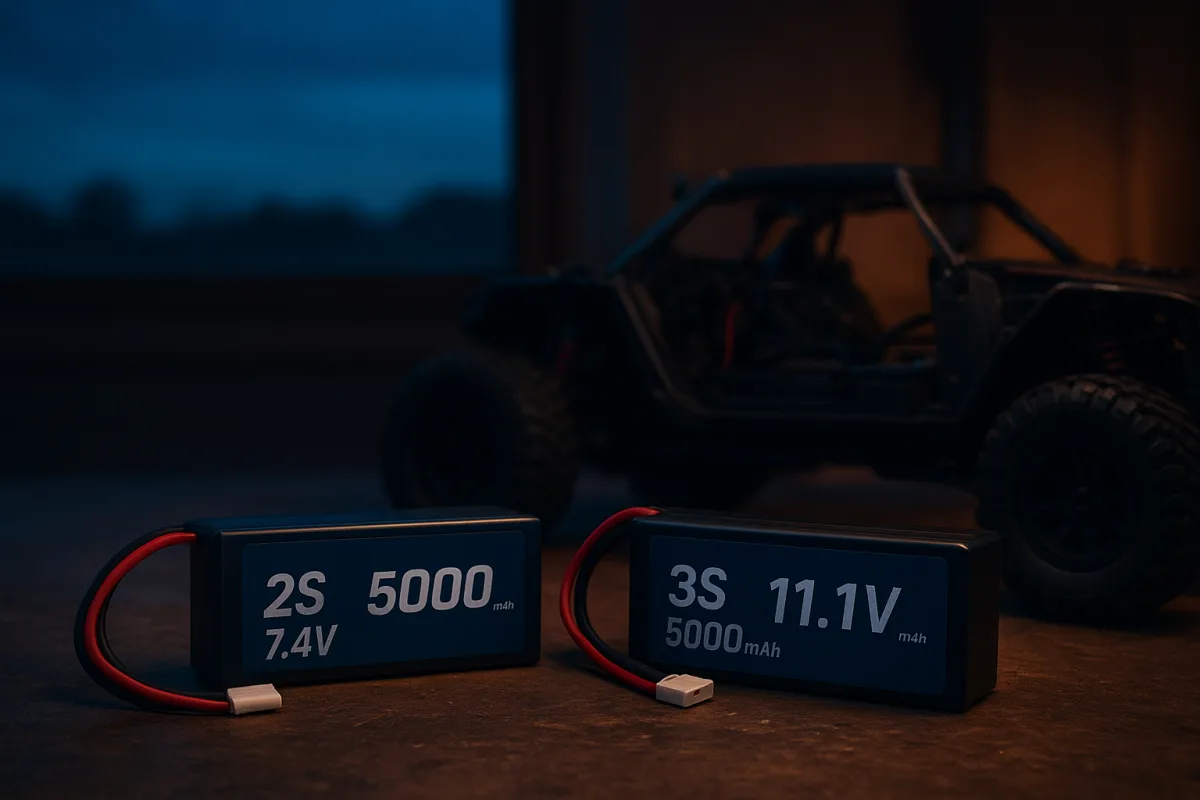
2S vs 3S RC Car Batteries: Which Offers Longer Runtime?
Compare 2S and 3S RC car batteries to learn which provides longer runtime and better performance for your vehicle's needs.
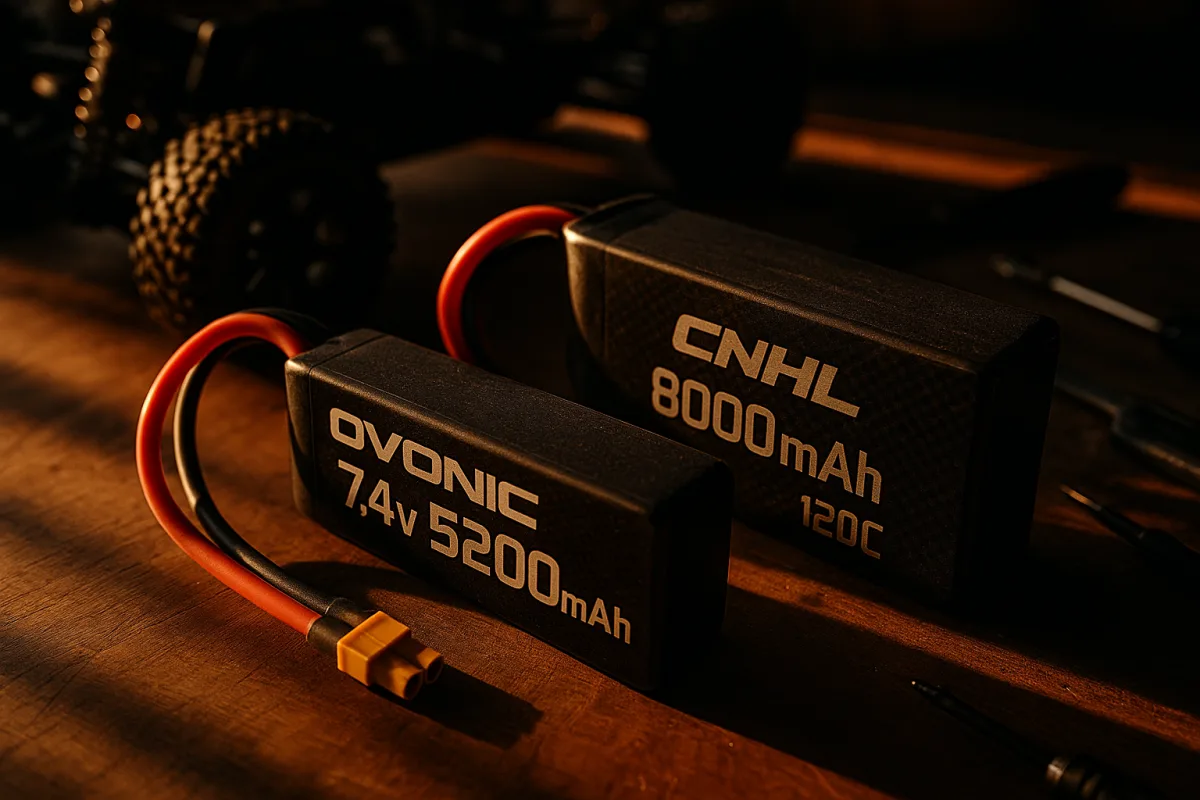
Best Batteries for RC Cars: A Detailed Comparison
Discover the best batteries for RC cars with our detailed comparison of top options, including voltage, capacity, and performance insights.
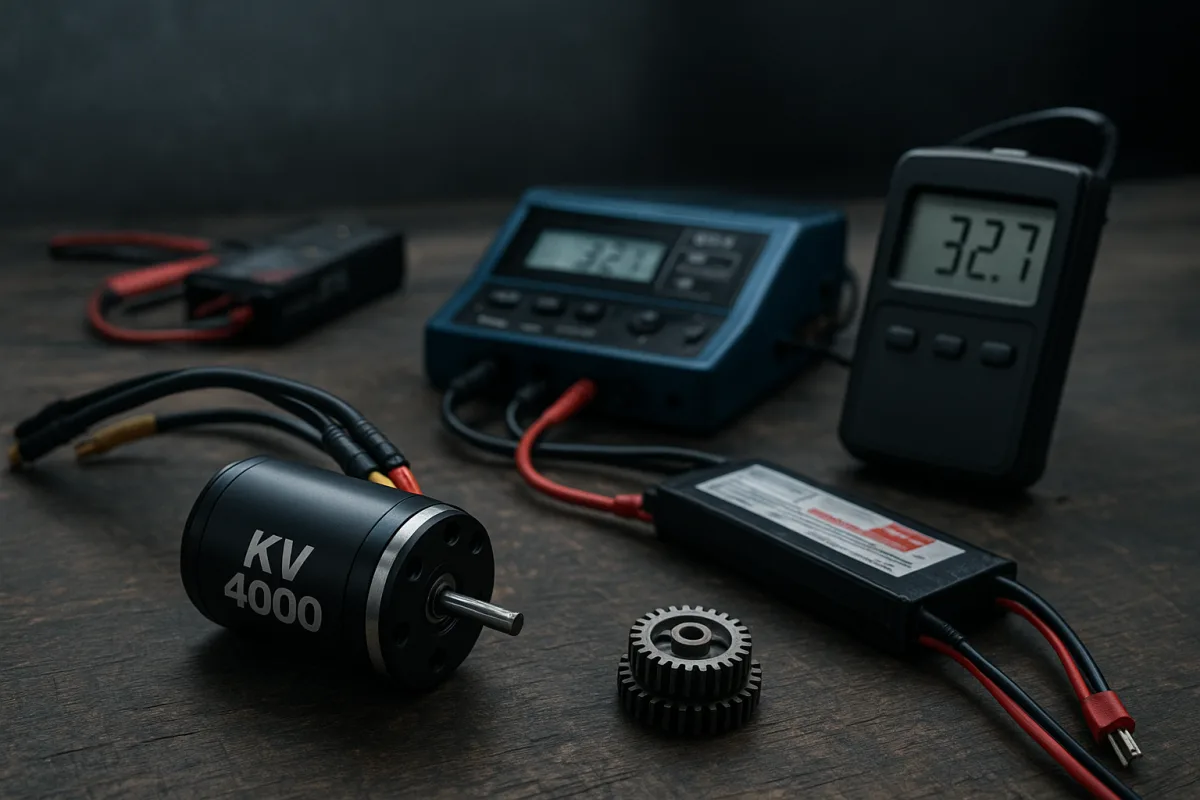
Common RC Car Motor Mistakes: KV, Battery & Setup Tips
Learn common RC car motor mistakes including KV misunderstandings, battery matching, and setup tips to avoid overheating and poor performance.
How to Store RC Car for Winter: Essential Preparation Tips
Learn how to store your RC car for winter safely with tips on cleaning, battery care, and maintenance to protect your car during off-season.