
RC Car Kit Selection Guide for Beginners
Explore our RC car kit selection guide to learn how to choose the right scale and components for your first rc car.
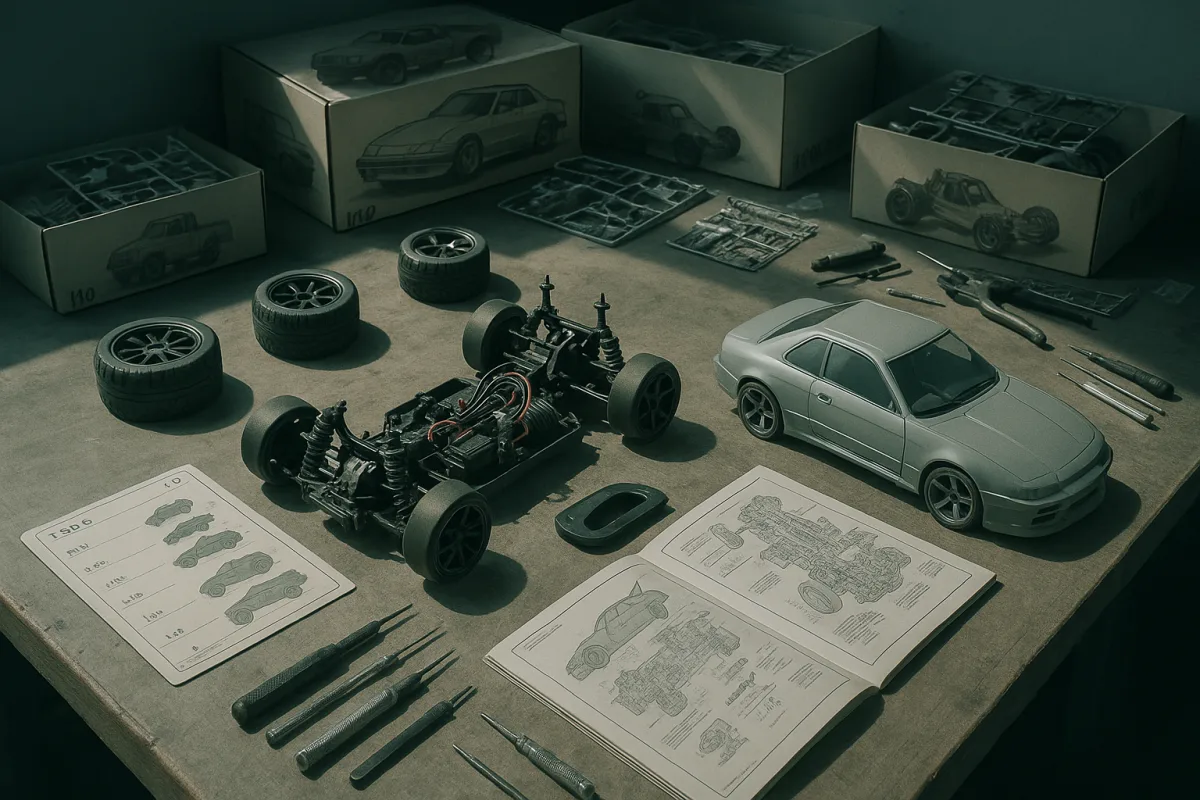
Beginner RC Car Kit Selection Guide: Understanding Scale and Setup
When diving into the exciting world of remote control (RC) cars, especially for beginners, the selection of the right kit can make or break your experience. As an RC racer who enjoys wrenching on my own vehicles, I can attest that understanding the nuances of scale, components, and terrain compatibility will offer you a smoother entry into the hobby. Let’s unpack one specific aspect that is often overlooked but crucial for beginners: the scale of your RC car and its influence on performance.
Understanding Scale: The Foundation of Your RC Experience
RC cars come in various scales, such as 1/10, 1/12, 1/14, and 1/16, with the 1/10 scale being the most popular among newcomers. The scale indicates the size of the model in relation to the full-size vehicle it represents. For instance, a 1/10 scale car is one-tenth the size of the actual vehicle. This seemingly simple number carries significant weight in how your RC car will perform and what types of terrains it can handle.
Why Scale Matters
Performance Characteristics: Larger scales like 1/8 or 1/5 typically offer more stability and durability. They can handle rough terrains better due to their greater mass and higher ground clearance. However, the trade-off is that they often come with a higher price tag and can be more challenging to transport. Smaller scales, such as 1/16, are often lighter and easier to maneuver, making them suitable for indoor racing or smaller outdoor spaces.
Power and Speed: The scale also directly affects the power-to-weight ratio of your RC car. For example, a 1/10 scale buggy may be equipped with a brushless motor paired with a high-C rated LiPo battery to achieve impressive speeds, often exceeding 30 mph. Conversely, a 1/16 scale vehicle may struggle to match that performance, even with similar components, simply due to its smaller size.
Durability and Components: Larger scale kits tend to have more robust components, which are less prone to breaking during bashing sessions. A common misconception is that spending more money on upgrades will fix handling issues. More often than not, those problems stem from the initial setup rather than the parts themselves. For instance, shock oil weight, gear ratios, and diff fluid thickness can dramatically change how a car behaves, regardless of scale.
Choosing the Right Scale for Your Needs
As a beginner, it’s essential to align your choice of scale with your intended use:
1/10 Scale: This is the sweet spot for many beginners. It offers a good balance of size, speed, and versatility. Models like the Traxxas Slash 2WD XL-5, priced around $299, are excellent for both on-road and off-road applications. They come equipped with everything you need to hit the ground running, though you will need to check if a battery and charger are included to avoid any hidden costs.
1/12 and 1/14 Scales: These smaller sizes are great for indoor racing and may suit those with limited space. The WLtoys 284131, for example, is a popular choice in this range, priced around $70. While they are less powerful than their larger counterparts, they can still provide a fun and engaging experience.
1/8 Scale: If you anticipate getting serious about off-road bashing, a 1/8 scale truggy may be your best bet. They can handle rough terrains and abusive driving styles, but they often require a more significant upfront investment and may have higher maintenance needs.
The Importance of Terrain Compatibility
Selecting the right scale is only part of the equation; considering the terrain where you’ll be driving is equally vital. Different scales handle various terrains differently:
Off-Road: If your heart is set on bashing through dirt, mud, or gravel, look for a durable chassis with sufficient ground clearance. A 1/10 scale buggy or truggy with a robust suspension setup can handle these conditions, but you’ll need to pay attention to your shock oil weight and tire choice. Softer shock oil can provide better handling over bumpy surfaces.
On-Road: For smooth surfaces, such as asphalt or concrete, a low-profile 1/10 scale touring car is ideal. These vehicles often come with slick tires and a lower center of gravity, allowing for high-speed cornering without flipping over.
Mixed Terrain: If you want the versatility of being able to tackle different surfaces, consider a kit designed for mixed use. These typically have a balanced design that allows for decent performance on both dirt and paved surfaces.
Common Pitfalls for Beginners
As you embark on your RC journey, be aware of common mistakes that can hinder enjoyment:
Choosing the Wrong Terrain: Don’t expect a low-clearance on-road car to perform well on off-road tracks. Understand the capabilities and limitations of your chosen scale.
Overemphasizing Speed: While speed is thrilling, it’s essential to consider control and handling. A faster car that isn’t set up correctly will lead to frustration rather than fun.
Neglecting Battery Requirements: Some kits may not include a battery or charger, leading to unexpected costs. Make sure to budget for these essentials. NiMH batteries are more user-friendly for beginners, while LiPo batteries offer better performance but require more care.
Ignoring Maintenance Needs: Every RC car requires upkeep. Newcomers often underestimate the maintenance required for their vehicles. Regularly checking and replacing diff fluid, shock oil, and other components will extend the life of your car and enhance performance.
Overlooking Spare Parts Availability: Choose a brand that has a good supply of spare parts. This is crucial for maintaining your vehicle over time, especially after bashing sessions where parts are more likely to break.
Making Your Selection
When selecting your first RC car kit, remember that the price range for beginner kits typically falls between $70 and $500. While it might be tempting to opt for the cheapest option, consider the long-term value. A slightly more expensive kit that includes essential components and has a good reputation for durability and support can save you money and hassle down the road.
Ultimately, your choice should reflect your intended use, preferred terrain, and willingness to learn about setup and maintenance. The right scale and model can provide a fulfilling entry into the world of RC racing, allowing you to explore the finer details like gear ratios, shock oil weights, and more as you grow in the hobby.
By understanding the mechanics behind scale and setup, you’ll be better equipped to choose a kit that not only meets your needs but also enhances your overall RC experience. Remember, the journey is as rewarding as the destination, so enjoy the ride!
Frequently Asked Questions
How do I choose the right rc car kit?
To choose the right RC car kit, consider your intended use, preferred terrain, and the scale of the vehicle. The 1/10 scale is often recommended for beginners due to its balance of size and performance, making it versatile for various driving conditions.
What scale should I pick for my first rc car?
For your first RC car, the 1/10 scale is the most popular choice among beginners. It offers a good mix of speed, stability, and versatility, making it suitable for both on-road and off-road applications.
What are the best rc car kits for beginners?
Popular RC car kits for beginners include the Traxxas Slash 2WD XL-5, which is priced around $299, and the WLtoys 284131, available for about $70. These models are well-regarded for their ease of use and performance.
What components do I need for an rc car kit?
A typical beginner RC car kit includes essential components such as a chassis, body shell, wheels and tires, motor, electronic speed controller (ESC), battery pack, steering servo, receiver, and controller (transmitter). However, it's important to check if a battery and charger are included, as some kits may require additional purchases.
Sources
- Best Beginner RC Car 2026: 4WD, Brushless & Budget Picks Tested, FUNYAT
- Top 3 RC Cars Under €200 - Best Beginner Models for 2026
- Best RC Cars for Beginners in 2026 | Speed World Raceway | Speed World Raceway
- Best RC Cars: Top Picks for Beginners, Kids, Crawling, and Speed
- Best RC Cars Under $500 (2026), Top Picks Compared | RC Car Compare
- RC Car Scales Explained (1/10 vs 1/8 vs 1/16) | RC Car Compare
- RTR vs RC Kit Cars: Which Should You Choose? | EuroRC.com
- RC Car Building for Beginners: Your First Kit
- Best Rc Car Kits - 2026 Reviews - Hobby Hustler
- Buying an RC car? These are the 7 things beginners often go wrong with
- Best RC Cars for Beginners: What to Buy First
- R/C modeling: 6 mistakes to avoid if you want to get started
- RC Model Shop | Best RC Car for Beginners: What to Buy
- Before Buying Your 1st RC Car! Avoid A Costly Mistake, 20 Things To Think About...
- Good RC Car for a Beginner? Easy Guide, Friendly Hobbies
- How to Pick an RC Car: Size, Power, RTR vs Kit, and Budget, RaceNRCs
- Best RC Cars & Trucks for Beginners (2026) | LockTech & Gear
- How Long Do RC Car Batteries Last: Complete Guide to Runtime, Lifespan & Optimization Tips | EuroRC.com
Related Articles
Best RC Car Type for Beginners: Choosing the Right Model
Discover the best RC car type for beginners, including scale, chassis, motor, and battery choices to fit your terrain and skill level.
Beginner RC Car Comparison Under 200: Crawler vs Off-Road
Compare beginner RC cars under 200 to find the best crawler or 4WD off-road model with setup and tuning tips for new drivers.
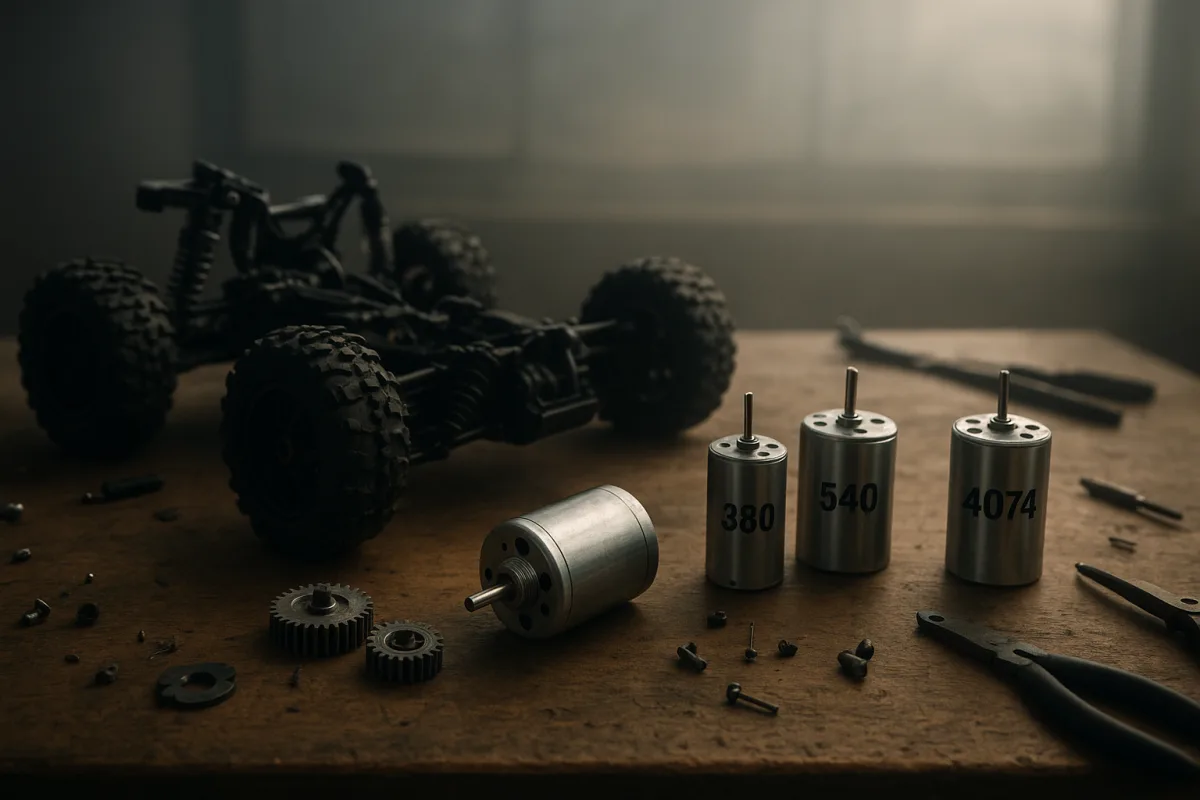
What Size Motor for RC Car: Choosing the Right Can and KV
Learn what size motor fits your RC car scale and how to match KV rating for optimal performance and reliability.
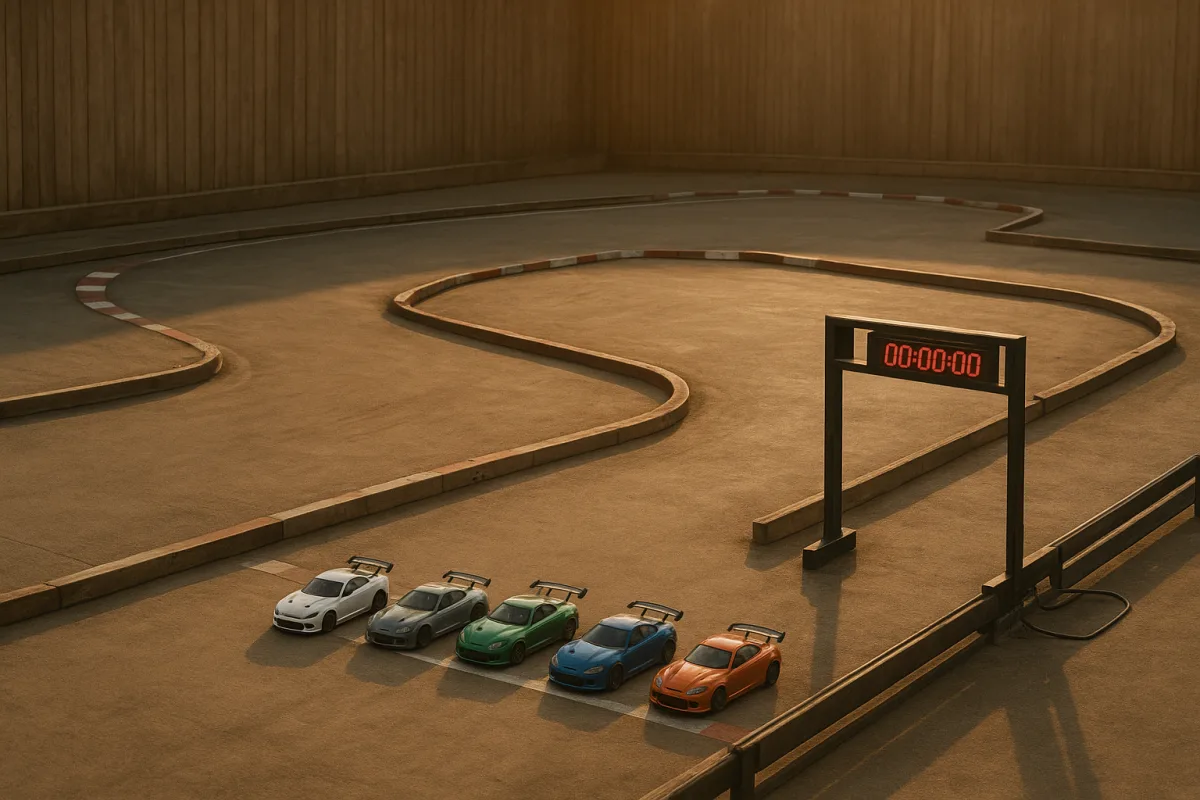
RC Car Scale for Racing Tracks: Choosing the Right Size
Learn how to choose the right RC car scale for your racing track size, local classes, and power needs to optimize your racing experience.