
Best RC Car for Winter Conditions: Top Picks and Setup Tips
Discover the best RC car for winter conditions with top models, tire advice, battery care, and setup tips for snow and cold weather driving.
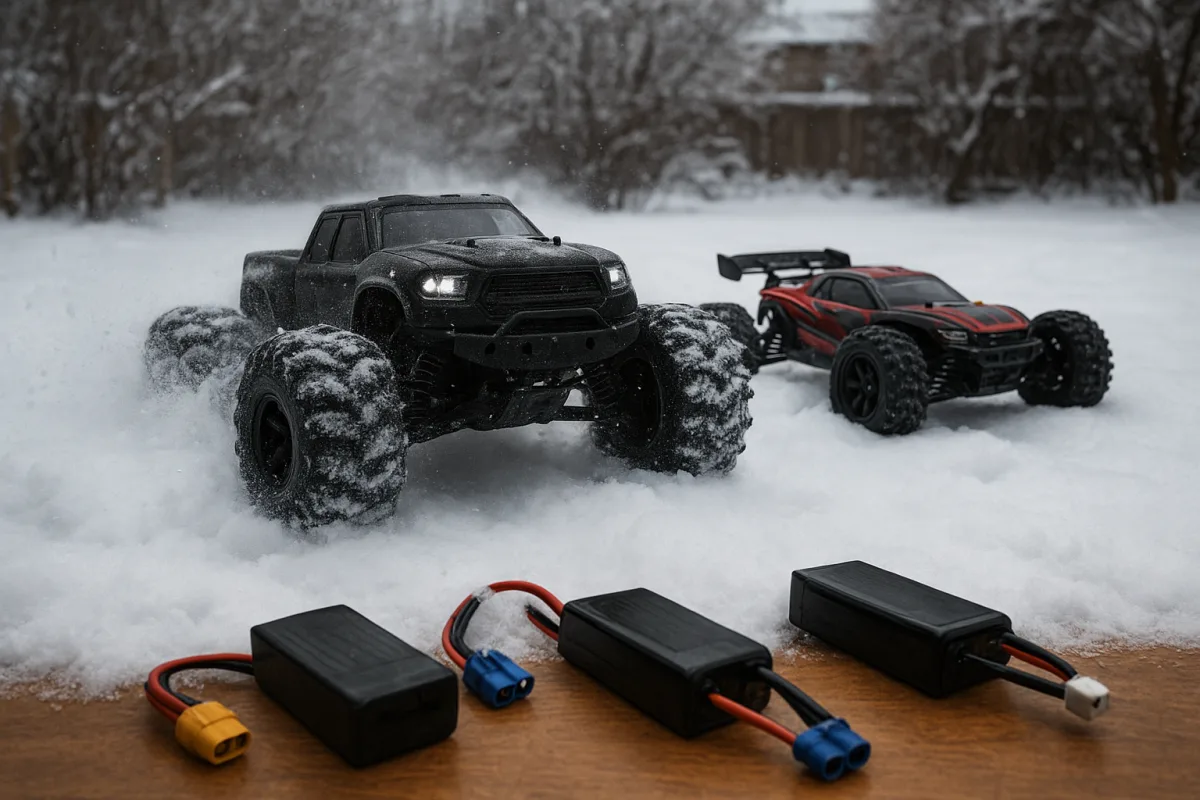
The decision: Traxxas X-Maxx 8S Belted versus WIAORCHI 9522 Brushless Truggy
For winter performance, I would make the call between the premium Traxxas X-Maxx 8S Belted and the mid-range WIAORCHI 9522 Brushless Truggy based on snow depth, available space and your willingness to manage a large 8S platform.
The X-Maxx is the clear choice for deep snow. The WIAORCHI makes more sense for packed snow, shallow loose snow and mixed winter terrain where its supplied paddles can actually reach the surface rather than dig a trench.
That is not a manufactured winner. These are different tools. A 1/10-style truggy layout on 3S and a huge 8S monster truck should not be judged as if they fill the same parking-lot-bashing job.
I have not run either vehicle, so this is not a fabricated trackside review. The choice rests on the reported specifications and the winter setup principles that apply across electric off-road RC, especially clearance, tire flotation, sealed electronics and sensible gearing.
| Criterion | Traxxas X-Maxx 8S Belted | WIAORCHI 9522 Brushless Truggy |
|---|---|---|
| Cost position | Premium, and the most expensive type of option in this comparison | Mid-range, below the premium large-scale trucks |
| Drivetrain and power | 4WD with 8S power | Brushless system, claimed over 50 mph on 3S |
| Snow depth | Best suited to deep, loose snow | Better for shallow to moderate snow, packed snow and mixed ground |
| Ground clearance and flotation | Reported 102 mm clearance and 19.1-pound mass give it the physical scale for deep snow | Lower truggy stance is less likely to clear heavy powder, though paddles help on top |
| Tires | Belted tires are durable at high power, but dedicated paddles may still help in loose snow | Supplied paddle tires are the practical winter advantage |
| Electronics protection | Winter running still requires inspection and post-run drying | Waterproof ESC and receiver are reported, but sealing does not eliminate moisture maintenance |
| Battery approach | 8S means substantial output, but cold still cuts available capacity | Dual batteries are reported to provide about 44 minutes combined, though cold reduces that estimate |
| Space required | Needs a large field, open lot or similarly clear area | Easier to use in smaller spaces and on mixed terrain |
| Winter setup workload | Benefits from lighter shock oil, lower gearing and tire changes | Needs the same basic cold-weather setup, but starts with snow-oriented paddle tires |
| Best buyer | Driver who wants the biggest margin in deep snow and rough terrain | Driver who wants a more affordable, practical brushless snow basher |
1. Snow depth and chassis clearance
The X-Maxx wins this category without much argument. EuroRC lists the Traxxas X-Maxx 8S Belted with 102 mm of ground clearance, 4WD and a weight of 19.1 pounds, all of which point toward a truck intended to stay moving when snow gets deep and inconsistent. [22]
Ground clearance is not glamour-spec material, but it decides whether the chassis skims snow or bulldozes it. Higher-clearance monster trucks and crawlers generally perform better in snow because the chassis has more room before it becomes a snowplow. [3]
The WIAORCHI is a truggy, which is normally a useful compromise for stability and steering response. In a few inches of snow, that can be a more entertaining layout than a huge monster truck. In deep powder, it runs out of clearance sooner.
This is where scale matters. Advice that works for a smaller truggy, such as keeping speed up and using paddles, does not turn it into a large 8S monster truck. Once the belly pan drags continuously, more throttle mostly makes a hole.
2. Tires and usable traction
The WIAORCHI has the better out-of-the-box winter tire case because it reportedly includes paddle tires for snow and sand. Paddle tires are widely recommended for loose snow because they scoop material and generate forward drive where ordinary lugs can pack solid. [2][20]
That does not make paddles the best tire everywhere. On hard-packed snow, icy paths or frozen dirt, a paddle can feel vague and struggle to find a clean edge. Studded tires can improve ice grip, while softer compounds remain useful as temperatures fall. [2]
The evidence for any specific aggressive tread pattern on snow and ice is not especially strong. Deep, open lugs are sensible because they clear material, but no tread block turns polished ice into high-grip dirt. Keep expectations realistic.
The X-Maxx’s belted tires are useful for keeping the tire shape under heavy 8S power, but the reported package does not give it the WIAORCHI’s supplied paddle-tire advantage. For loose snow, a dedicated paddle option remains the sensible direction.
3. Power system and winter gearing
The X-Maxx has far more power reserve than the WIAORCHI’s 3S system. That helps maintain wheel speed in deep snow, but raw power also makes it easier to balloon tires, roast a drivetrain in a snowbank or turn a recoverable slide into a long walk.
The WIAORCHI’s brushless motor is reported to exceed 50 mph on 3S, so lack of speed is not its problem. For winter use, I would rather trade some claimed top speed for lower motor load and smoother low-speed control. [20]
Cold weather increases drivetrain resistance, while snow creates a high-load surface. Lowering the overall ratio, usually with a smaller pinion or larger spur where the platform allows it, reduces motor and ESC stress. [15]
Do not respond to winter bogging by immediately adding motor or battery. Check that no snow has packed around the wheels, that bearings still turn freely, and that the truck has the tire and clearance to move. Setup first, parts second.
4. Batteries, run time and cold-weather handling
The WIAORCHI is reported to include dual batteries with about 44 minutes of combined runtime. Treat that as a warm-weather reference, not a promise for a January session. [20]
Both LiPo and NiMH batteries lose available capacity and power output in cold conditions. Battery University reports around 20 percent capacity reduction at 32°F, or 0°C, and roughly 50 percent at -22°F, or -27°C. [4]
For either vehicle, store packs indoors, install them warm and keep spare packs insulated during transport. Drone Trust advises warming LiPos to roughly 60 to 80°F, or 16 to 27°C, before use, and warns against charging below 5°C, or 41°F. [5]
C-rating does not repeal cold chemistry. A high-discharge pack may hold voltage better under load than a tired low-C pack, but it still arrives cold with less usable energy. Start with warm, healthy packs and stop before the truck gets sluggish.
5. Waterproofing, slush and post-run work
The WIAORCHI has a reported waterproof ESC and receiver, which is a meaningful winter feature. Still, waterproof is not the same as sealed against repeated meltwater, nor does it protect bearings, screws, motor bearings or every plug connection. [20]
The X-Maxx’s physical size and intended rough-terrain role make it appropriate for wet snow, but it deserves the same caution. Electronics protection matters most after snow starts melting into the chassis and pooling around the receiver box, servo and connectors.
If a vehicle needs additional protection, EuroRC describes sealing the receiver with a balloon method. Conformal coating or Plasti Dip can protect an ESC, while dielectric grease and silicone sealing help protect servo-related openings and connections. [8][9][10]
Use these methods carefully and do not trap heat around an ESC. After every snowy run, remove the battery, brush out snow, dry the truck thoroughly and inspect bearings and driveline parts. Cold also thickens lubricants and can harden grease. [11][14]
Where the rest of the field sits
The Traxxas Summit is another premium large-truck route for drivers who value a big frame, big wheels and a waterproof high-low transmission. It suits snow and rain use, especially where low-range control matters more than outright speed, but it is not the lower-cost answer.
The Kyosho Blizzard RC Truck is the unusual mid-range choice for someone who wants a plow or tank-like snow vehicle with Wi-Fi and a camera. Its front plow changes handling, and it is not the fast basher choice, but it suits scale snow play.
The premium Traxxas Spartan is different again: it is a boat designed for deep, soft snow conditions where a waterproof hull makes sense. It suits drivers near suitable water, but its water-body limitation makes it a poor substitute for a truck in a snowy field.
The entry-level Redcat Volcano EPX Pro suits beginners wanting a 1/10-scale 4WD brushless monster truck for winter use. It is reported as waterproof, runs a 3000 mAh 2S battery and has a claimed 35 mph top speed, but its smaller scale limits deep-snow capability. [21]
The mid-range Arrma Gorgon 3S BLX suits drivers prioritising a durable, fast 3S brushless truck for general winter terrain. The Arrma Granite 3S BLX fills a similar tough, fast mid-range role, while the Arrma Senton 3S BLX suits drivers who prefer an off-road short-course format. [1]
The Arrma Typhon 3S BLX is the mid-range high-performance choice for drivers who want a lower, more planted buggy-based platform. It can work on packed snow, but a 1/8-style buggy silhouette is not my first pick for deep loose snow.
The Team Associated Rival MT10 V2 is the mid-range all-terrain alternative for a driver wanting a versatile off-road truck rather than a specialist snow machine. It suits mixed winter surfaces, but it still needs winter tires and suspension attention. [1]
Setup that makes either finalist work
Below 10°C, or 50°F, tires stiffen and lose grip. Move toward a softer compound or a cold-weather tire, accepting that soft rubber wears faster on exposed pavement and frozen gravel. [12][2]
Shock oil also thickens in cold weather, slowing shaft movement. Go lighter than your warm-weather baseline, then verify that the suspension still controls chassis roll rather than simply becoming bouncy. [14]
The exact oil number depends on the truck, piston and spring package, so there is no honest universal recommendation such as 30 wt for everything. A 1/10 truggy and a large 8S monster truck do not need the same shock setup.
Cold plastic deserves a different driving style too. Arms, bumpers and body mounts can become brittle, so avoid full-speed impacts with frozen curbs, trees and buried rocks. Gentle throttle on the first few minutes also gives driveline grease time to move. [14]
Extreme cold below 0°F, or -18°C, is a different level of risk. Available battery capacity drops sharply, plastics become more vulnerable and moisture control becomes harder. The normal winter checklist helps, but it does not make severe conditions routine. [4][13]
Who each option suits
The Traxxas X-Maxx 8S Belted suits the driver with deep, loose snow, a large open area and the budget for a premium large-scale 4WD truck. Its 102 mm clearance and 8S format make it the better choice when snow depth is the central problem. [22]
The WIAORCHI 9522 Brushless Truggy suits the driver who wants a mid-range brushless winter machine for shallow-to-moderate snow, packed surfaces and mixed terrain. Its supplied paddle tires and waterproof ESC and receiver give it the more practical ready-to-run winter starting point. [20]
Pick the X-Maxx when you need flotation and clearance. Pick the WIAORCHI when you want a smaller, more contained machine with snow tires already in the package. Neither choice eliminates the need for warm batteries, lighter damping, careful gearing and thorough drying afterward.
Frequently Asked Questions
What is the best RC car for deep snow?
The Traxxas X-Maxx 8S Belted is the best choice for deep, loose snow due to its 102 mm ground clearance, 4WD drivetrain, and heavy 19.1-pound mass that help it stay moving through deep snow. Its powerful 8S system provides ample torque to maintain momentum in challenging terrain.
How do I prepare an RC car for winter conditions?
Before use, warm LiPo batteries indoors to around 60-80°F (16-27°C) and never charge them when cold. After running in snow or slush, inspect and dry the electronics, bearings, connectors, and driveline parts to prevent moisture damage, as no RC car is maintenance-free in wet winter conditions.
Which RC car tires work best in snow?
Paddle tires are widely recommended for loose snow because they scoop material and provide forward drive where regular lugs might pack solid. For icy or hard-packed snow, studded tires can improve grip, though the overall effectiveness of aggressive tread patterns on ice is limited.
How does cold weather affect RC car batteries?
Cold temperatures reduce battery capacity and power output; at freezing (32°F/0°C), capacity can drop by about 20%, and at -22°F (-27°C), it can fall to roughly 50%. LiPo batteries should not be charged below 41°F (5°C) and must be warmed before use to avoid damage and ensure better performance.
What are the best RC cars for shallow snow and mixed terrain?
The WIAORCHI 9522 Brushless Truggy is better suited for shallow to moderate snow, packed snow, and mixed terrain. It comes with paddle tires for improved traction in loose snow and has waterproof electronics, making it a practical and manageable option for varied winter conditions.
How we researched this
This article was assembled from 22 cited references.
Nothing here is based on hands-on testing. Where a figure or finding appears, it belongs to the source cited beside it, and the writing says so rather than implying otherwise. Every source is listed below so you can check it.
Sources
- Best Rc Cars (2026): top picks ranked by value
- How to Choose the Right Tires for Off-Road RC Cars -
- Can Rc Cars Go in Snow? My Winter Rc Confessions - Autosxpert.com
- What Happens When a Lipo Battery Freezes? Cold Weather Test Explained - RCexplained
- How to Maintain LiPo Battery Health in Sub-Zero Temps – Drone Trust
- What Type of Electric Motors Are Used in RC Cars? Complete Guide - Riverhobby Tech (Shenzhen) Co., Ltd.
- What Motor Should Be Used for RC Cars? - X-TEAM Brushless DC Motors
- How to Waterproof RC Cars: 5 Methods + Maintenance Guide | EuroRC.com
- RC Car Waterproofing 101: Safe, Tested, and Effective Methods
- How to Waterproof an RC Car: Practical Methods, Materials, and Pitfalls to Avoid -
- Best Materials & Tools for Waterproofing Your RC Car (2026) · Remote Control Cars Blog
- Indoor vs Outdoor RC Drift: Setup Differences, Surfaces & Tips (2026) | RC Cars Guide
- Winter RC Care: Protecting Batteries in Freezing Temperatures
- How Weather Affects RC Car Performance | Hearns Hobbies
- Why RC Electronics Actually Die: Heat, Gearing, and the…
- Best Off-Road RC Cars in 2026: Top Bashers & Crawlers
- Is RC Car Hobby Expensive? A Realistic Cost Breakdown (From Someone Who’s Actually Spent the Money) - TRVBABY
- RC Car Batteries 101: Types, Sizes, Prices, and Chargers – RaceNRCs
- 6 Tips for Operating RC Cars in Winter - RC Superstore
- WIAORCHI 9522 Brushless Truggy
- Redcat Volcano EPX Pro
- Best RC Cars for Snow Bashing in 2026 | EuroRC.com
Related Articles
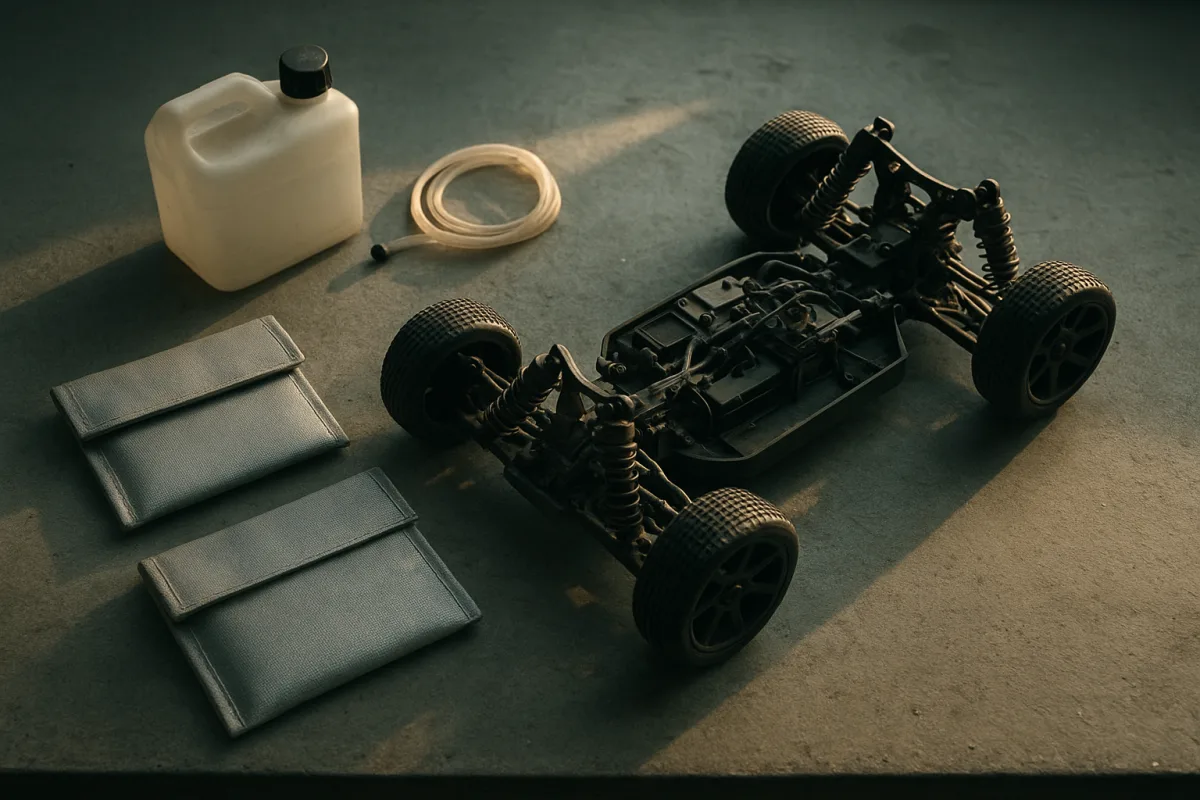
How to Store RC Car for Winter: Essential Preparation Tips
Learn how to store your RC car for winter safely with tips on cleaning, battery care, and maintenance to protect your car during off-season.
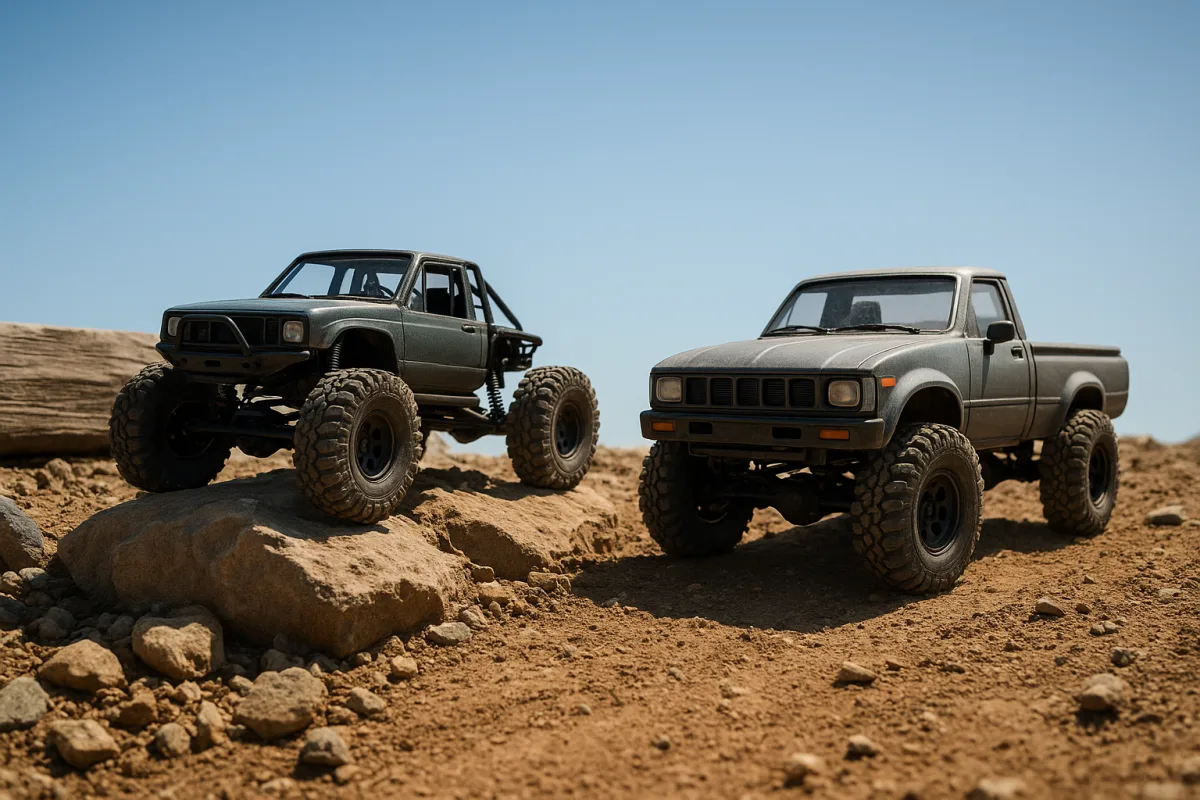
Beginner RC Car Comparison Under 200: Crawler vs Off-Road
Compare beginner RC cars under 200 to find the best crawler or 4WD off-road model with setup and tuning tips for new drivers.
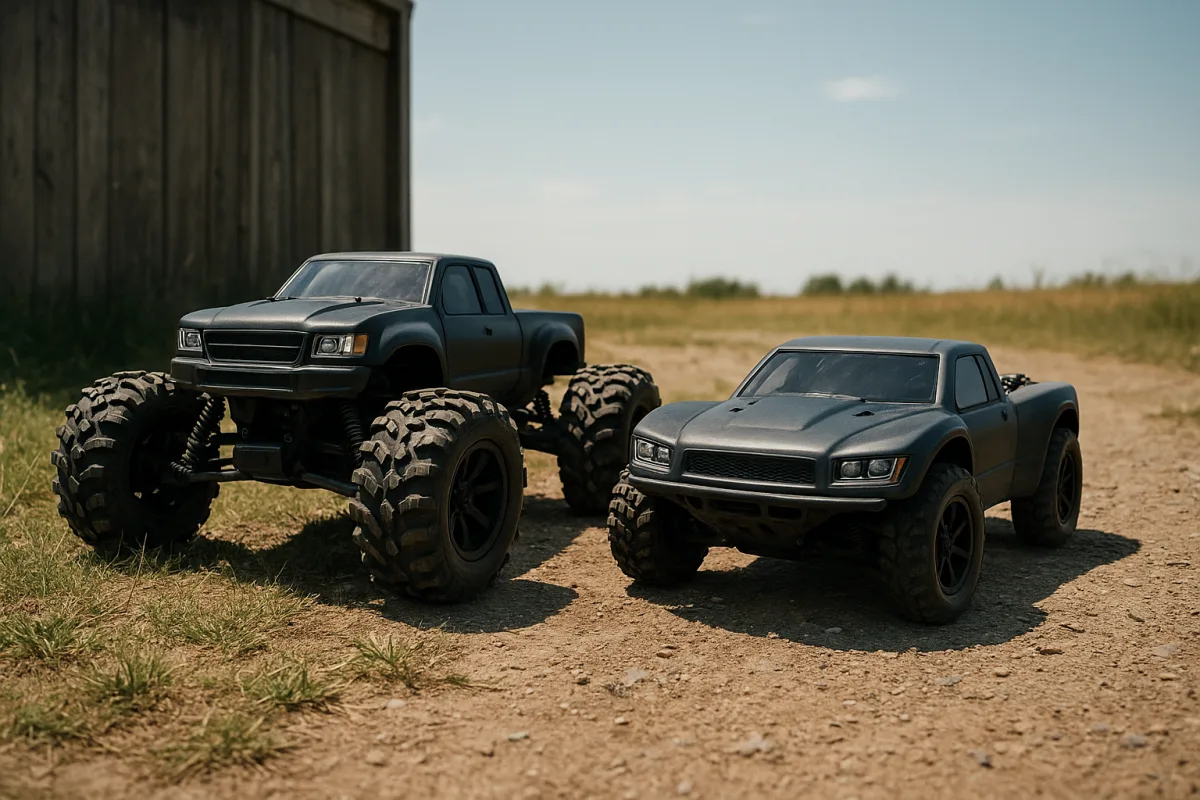
Best RC Car for Off Road: ARRMA Granite vs Traxxas Slash
Compare the best RC car for off road use: ARRMA Granite vs Traxxas Slash. Get expert advice on terrain fit, battery, and maintenance.
Best Terrain for RC Cars: Matching Surface to Your Setup
Learn the best terrain for RC cars and how to match your car’s setup for optimal performance on different surfaces.