
RC Car Winter Storage Maintenance Checklist and Tips
Learn a detailed RC car winter storage maintenance checklist to clean, dry, oil, and prepare your car and batteries for off-season protection.
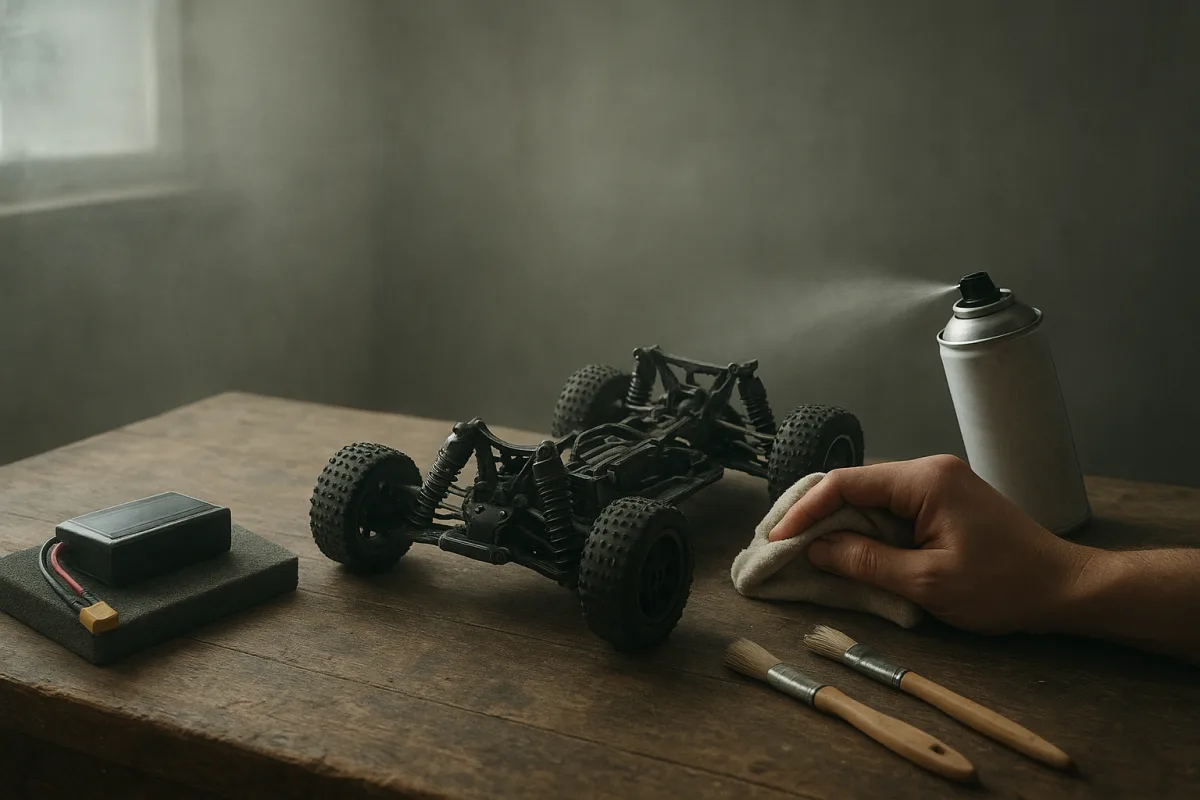
Start when the car comes in from the cold
The first winter-storage problem happens before the wrenching starts. A car brought in from snow, wet grass or a cold garage can collect condensation as it warms, so do not immediately seal it in a box or put it straight on the shelf. [17]
Let the chassis acclimate in a dry indoor space first, especially if it has just run in slush or below-freezing air. Horizon Hobby identifies bringing a cold RC indoors without allowing for condensation as a storage mistake, because water can settle on electronics and metal parts. [17]
This applies whether it is a 1/10 touring car with an exposed drivetrain or a 1/8 truggy packed with mud behind the shock towers. The layout changes, but moisture trapped around bearings, hinge-pin braces, screws and connectors is still the enemy.
Pull the main pack before touching water, cleaner or compressed air. RC Tech Tips specifically recommends removing the battery before cleaning, which also stops a wet chassis from sitting connected to a LiPo or NiMH pack. [1]
If the car has a receiver box, inspect its seal and the exits for servo and ESC wires. R/C Tech forum guidance flags unsealed electronics as a winter moisture risk, so a damaged gasket or loose lid is worth addressing before storage. [18]
Get the abrasive dirt off before it becomes a bearing problem
Start dry. Use a soft brush and compressed air to remove loose dust, dried mud and grit from the suspension arms, chassis pockets, steering rack and drivetrain area. EuroRC advises dry cleaning first and warns against getting water onto electronics. [2]
Take your time around the places racers usually ignore after the last wet meeting: behind the spur gear cover, under the motor guard, inside wheel hexes and around the outdrives. The source guidance is simple, inspect moving parts for wear, and winter is when you have time to do it. [4]
For ordinary dusty running, dry cleaning may be enough. If the chassis is muddy or salted from winter running, EuroRC recommends a mild detergent and a damp cloth rather than soaking the whole car. [2]
That is especially sensible for a 1/10 buggy or stadium truck with an open receiver area. A 1/8 buggy may look like it needs the pressure washer treatment after a wet day, but forcing water past seals is not component protection.
Wipe the chassis, suspension arms, wheels and body mounts, then work carefully around the ESC, receiver, servo cases and motor. The goal is to remove the contamination without creating a new moisture problem inside electrical equipment. [2]
Do not put the car away because it looks clean from two feet away. Horizon Hobby lists failing to clean and dry an RC thoroughly before storage as a common mistake, and corrosion can begin in the hidden places first. [17]
Dry it completely, not just until the body shell is off
After wet cleaning, dry the car thoroughly before lubricating anything. RC Tech Tips recommends compressed air for bearings, which is useful for blowing water out from around shields, suspension pivots and screw heads. [1]
Run the air through the wheel hubs, steering bellcranks, gearbox seams and any chassis recesses that collect wash water. You do not need an expensive upgrade to solve this problem, just enough patience to stop water sitting against steel hardware for months.
Leave the car in a dry location until the remaining moisture has evaporated. Storage advice from RC Models Hub calls for a cool, dry place away from sunlight and humidity, because damp storage accelerates corrosion and can degrade materials over time. [3]
Avoid the tempting shortcut of closing up a damp car in a tote immediately after cleaning. There is no authoritative RC-specific container guidance in the research on what case, tub or bag is best, so the safe recommendation is to dry the car first rather than trust a sealed container to fix moisture.
If you need a storage case because of dust, pets or limited shelf space, ask a hobby shop or local racing community about sizes that suit your scale. The available sources do not establish a particular container type, price point or ventilation arrangement as the correct answer.
Oil the parts that will rust, then inspect the parts that will fail
Once dry, put bearing oil on accessible bearings and use a light machine oil film on exposed metal parts. RC Models Hub recommends both steps as part of regular maintenance and cleaning, specifically to protect those parts after the chassis has been cleaned. [3]
Do not mistake this for a reason to flood the chassis with oil. The supported advice is bearing oil for bearings and light machine oil on exposed metal, not a blanket coating that will attract dust when the car returns to service. [3]
Spin each wheel and feel for gritty, notchy or loose bearings. Check steering movement, suspension travel, driveshafts and other moving parts, then replace worn pieces before storage where needed. TopRC recommends inspecting all moving parts for wear and replacing components as required. [4]
This is where a $6 bearing or tired rod end often matters more than the upgrade catalogue. If a 1/10 2WD buggy had a crunchy rear hub bearing at the last club race, leaving it loaded with moisture all winter will not make it recover.
Check screws and fasteners while the car is clean enough to see them. You are not trying to reset a race setup or change diff fluid merely because winter arrived, but you do want to identify damaged hardware and worn moving components before they become spring failures. [4]
For nitro models, do not skip engine preservation. R/C Tech forum guidance identifies neglecting engine after-run oiling as a winter-storage maintenance mistake, so follow the engine’s applicable after-run procedure before the car sits. [18]
Store batteries separately, at the right charge
Batteries deserve their own plan, not a spot still strapped into the chassis. Remove every pack from the car before storage, label it if several packs look alike, and check its chemistry rather than using one charge rule for everything. [1]
For LiPo packs, the supported storage range is about 40 to 60 percent charge, or roughly 3.7 to 3.85V per cell. A source aimed at RC winter storage calls out about 3.8V per cell, while other battery guidance expresses the same target as a range. [5][7][8]
That slight disagreement is normal, not a reason to chase an exact third decimal place. Use your charger’s storage mode where available, verify individual cell condition, and avoid leaving a pack completely full or completely empty for the winter. [7][16]
Fully charged LiPos degrade faster in storage, while fully discharged packs can fall too low to recover safely. Properly cared-for RC LiPos are cited with a 1.5 to 3 year lifespan, but storage at the wrong state of charge shortens that prospect. [11][16]
Keep LiPos at 15 to 25°C, or 59 to 77°F, and away from temperatures below 0°C or above 40°C. That rules out the unheated shed, the freezing garage shelf and the sunny window ledge. [7][8]
NiMH packs need a different target. Sources disagree slightly, with one recommending 40 to 60 percent and another 50 to 70 percent, so a practical supported range is 40 to 70 percent rather than full charge or deep discharge. [6][9]
Store NiMH batteries around 20°C and check them every three to six months. Their self-discharge is cited at roughly 0.5 to 1 percent per day, which is why a forgotten receiver pack can be flat long before the next season. [9][12]
NiCd packs are the exception: they can be stored charged or discharged, although long-term storage is better discharged. PowerStream gives a broad storage range of minus 20°C to plus 45°C, with 10 to 30°C identified as preferable. [10]
Choose the room before choosing the shelf
The car itself wants stable conditions more than it wants a fancy storage system. Guidance for RC storage recommends 15 to 24°C, or 60 to 75°F, and avoiding temperature swings that create condensation and corrosion. [13]
Aim for roughly 40 to 50 percent relative humidity where practical. That figure comes from general vehicle-storage humidity guidance rather than a scale-RC study, but it fits the same basic concern: keeping moisture off steel, electrical contacts and hardware. [19]
A climate-controlled interior closet, spare room or dry workshop is usually easier to manage than an attic, porch, shed or garage. Keep the car away from direct sunlight and humid conditions, as RC Models Hub recommends. [3]
There is no RC-specific regional guidance in the available research that says a 1/8 nitro buggy in a snowy climate needs a fundamentally different winter routine from a 1/10 crawler in a wet coastal climate. Stable temperature, low humidity, cleaning and drying remain the documented basics.
Do one mid-winter check rather than abandoning the fleet until spring. Look for corrosion, moisture, leaking battery packs or a pack that has drifted away from its intended storage state, particularly with NiMH batteries that self-discharge during storage. [9][12]
When spring arrives, inspect again before charging or running. A clean, dry chassis, lubricated bearings, stored battery packs and an environment that did not cycle between cold and damp should give you a car that needs normal pre-run checks, not a parts-order rescue.
Frequently Asked Questions
What maintenance steps should I perform before storing my RC car for winter?
Before storing your RC car for winter, remove the battery and clean the chassis to remove mud, salt, and moisture that can cause corrosion. Inspect seals on the receiver box and other electronics to ensure they are intact. Dry clean first with a soft brush and compressed air, then use a mild detergent and damp cloth if needed, avoiding soaking the car. After cleaning, dry the car thoroughly, lubricate bearings and exposed metal parts, and inspect moving parts for wear.
How do I clean and dry my RC car properly before winter storage?
Start by removing the battery and dry cleaning the car with a soft brush and compressed air to remove dust and grit. If the car is muddy or salted, wipe it down with a mild detergent and a damp cloth, taking care to avoid getting water on electronics. After cleaning, use compressed air to blow moisture out of bearings, suspension pivots, and other tight spots. Allow the car to air dry completely in a dry indoor space before lubricating or storing.
What oils and lubricants are recommended for RC car winter storage?
Use bearing oil to lubricate the bearings and light machine oil on exposed metal parts to protect against corrosion during storage. Applying these lubricants after the car is completely dry helps prevent moisture-related damage and keeps moving parts in good condition over the off-season.
How should I prepare RC car batteries for winter storage?
LiPo batteries should be stored at about 40 to 60 percent charge, roughly 3.7 to 3.85 volts per cell, in a stable temperature environment between 15 and 25°C (59 to 77°F). NiMH batteries are best stored at around 40 to 70 percent charge at about 20°C (68°F), and should be recharged every 3 to 6 months to avoid deep discharge. Batteries should be removed from the car and stored separately in a cool, dry place.
What are common mistakes to avoid when winterizing an RC car?
Common mistakes include storing the car immediately after use without allowing it to acclimate indoors to prevent condensation, failing to remove the battery before cleaning, and not thoroughly cleaning and drying the car before storage. Additionally, neglecting to inspect and repair seals on electronics can allow moisture ingress, and improper battery storage charge levels or temperatures can damage battery life.
How we researched this
This article was assembled from 20 cited references.
Nothing here is based on hands-on testing. Where a figure or finding appears, it belongs to the source cited beside it, and the writing says so rather than implying otherwise. Every source is listed below so you can check it.
Sources
- How to Clean Your RC Car: Complete Maintenance Guide - RC Tech Tips
- RC Car Maintenance Tips: Keep Cars Running Strong | EuroRC.com
- RC Car Maintenance and Cleaning: A Beginner's Guide – RC Models Hub
- How do I maintain an RC car?
- How to Store RC Cars and LiPo Batteries for Winter – Friendly Hobbies
- RC Car Maintenance Guide: Routines That Actually Keep Your RC Running (2026) | RC Cars Guide
- Battery storage and maintenance | A1-ESD
- LiPo Battery Storage Voltage: Complete Safety Guide - HobbyGradeRC.com
- How to Store NiMH Batteries Without Damaging Them - ScienceInsights
- Battery Storage FAQ, battery manufacturer's recommendations for storing batteries, storing lead acid, sealed lead acid, NiCad, NiMH and lithium ion batteries
- How long do LiPo batteries last in RC cars? - Drone Battery
- RC Boat Winterizing & Off-Season Storage Guide | RCBoatHQ
- Best Way to Store RC Cars (2026 Guide)
- Putting an RC Away: Storage That Doesn't Destroy It
- Classic Car Winter Storage: Complete Winterization Checklist (2026) | VeryWellAuto
- Blog - Analysis of LiPo Battery Self-Discharge Rate and Storage Voltage: HobbyKing Teaches You Long-Term Storage Tips
- Winter RC Bashing Tips: RC Bashing in Snow and Cold Weather
- HOW TO:waterproof your RC car for winter - R/C Tech Forums
- Store Cars at 40–50% RH to Prevent Rust: Measure, Seal, Dehumidify
- Climate-Controlled vs Standard Storage | Storage Unit Guide
Related Articles
How to Store RC Car for Winter: Essential Preparation Tips
Learn how to store your RC car for winter safely with tips on cleaning, battery care, and maintenance to protect your car during off-season.
RC Car Maintenance Schedule: Routine Checks & Cleaning Tips
Learn an effective RC car maintenance schedule with post-run checks, weekly tasks, and battery care to keep your vehicle reliable and ready to run.
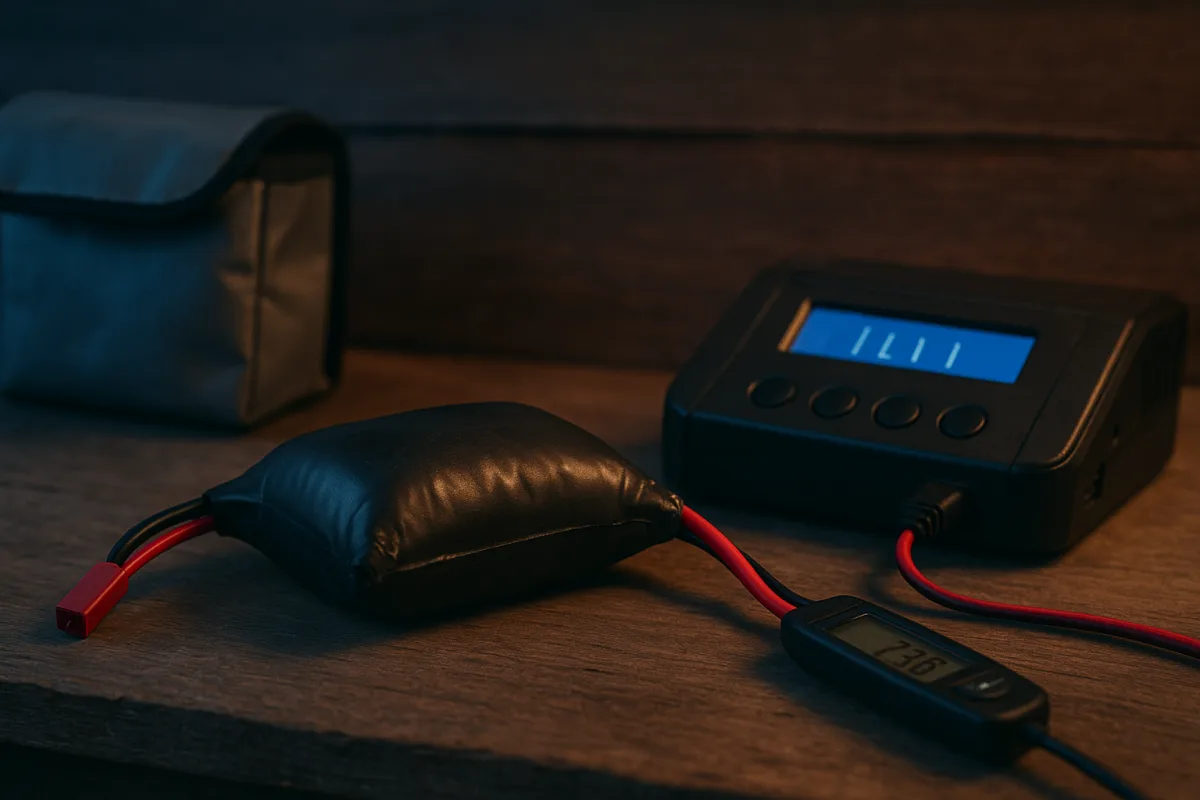
Prevent RC Car Battery Swelling
Learn how to prevent RC car battery swelling with safe charging, proper storage, and maintenance tips to extend your LiPo battery life.
RC Car Tire Maintenance: How to Clean and Extend Tire Life
Learn effective RC car tire maintenance tips to clean, dry, and care for your tires to extend their lifespan and improve performance.